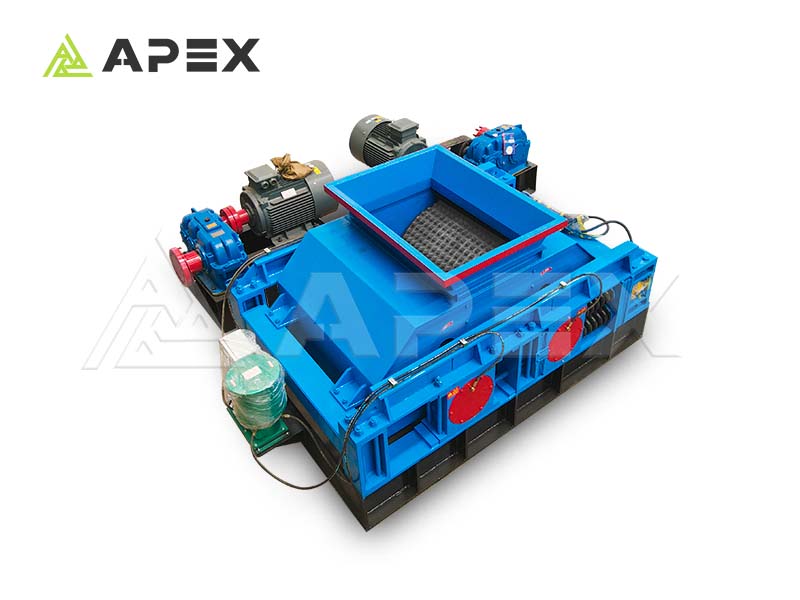
Executive Summary: “More crushing, less grinding” is a proven energy-saving doctrine in mineral processing. Because crushing consumes substantially less power than grinding, shifting fine reduction to crushing machinery lowers ball mill feed size, reduces grinding loads, cuts power consumption, minimizes steel ball wear, and increases overall plant capacity. APEX hydraulic double-roll crushers leverage high-pressure interparticle bed crushing to generate internal micro-cracks in ore prior to milling, turning this efficiency concept into practice.
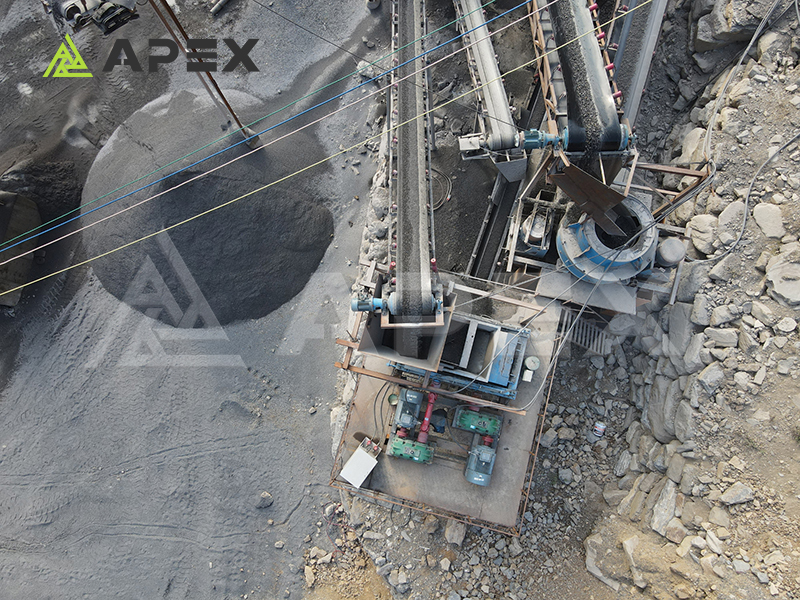
Double-Roll Crusher
🔄 Traditional Processing vs. “More Crushing, Less Grinding”
| Process Strategy | Operational Workflow | System Impact |
|---|---|---|
| Traditional Circuit | Coarse crushing feeds directly into the ball mill; mill relies heavily on grinding coarse particles. | High power draw, heavy grinding ball consumption, elevated mill load. |
| “More Crushing, Less Grinding” | Double-roll crusher handles pre-fine crushing before ball milling, shifting grinding tasks upstream. | Substantial drop in overall power consumption, reduced media wear, increased mill throughput. |
⚙️ 4 Core Mechanisms Enabling “More Crushing, Less Grinding”
1. Interparticle Bed Crushing & Internal Micro-Crack Formation
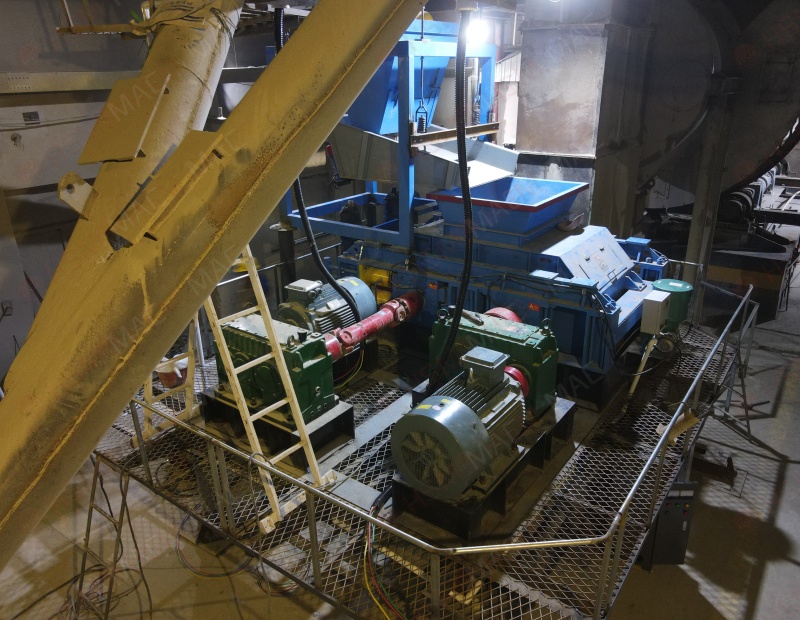
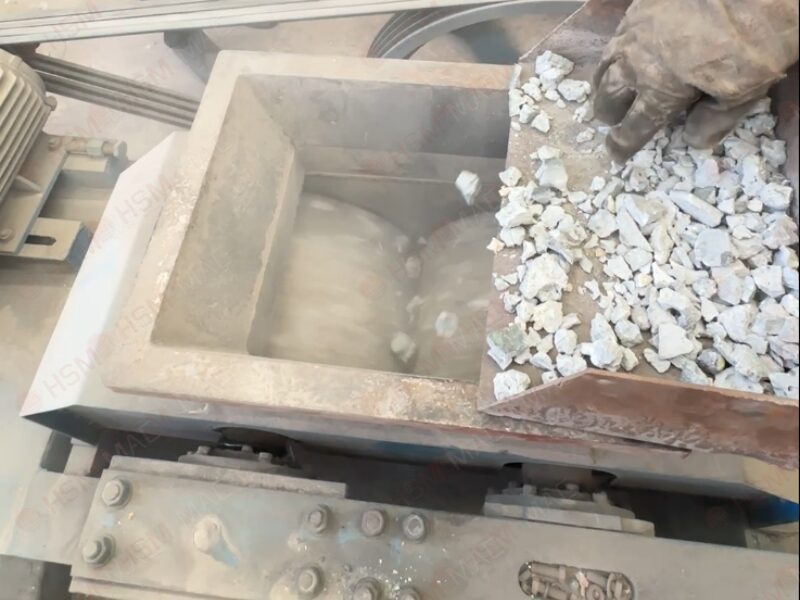
APEX hydraulic double-roll crushers utilize interparticle bed crushing. Under intense static pressure exerted by counter-rotating rolls, ore particles compress against each other. This not only reduces particle size but also induces microscopic internal fractures throughout the ore matrix, making the rock significantly easier to grind once inside the ball mill.
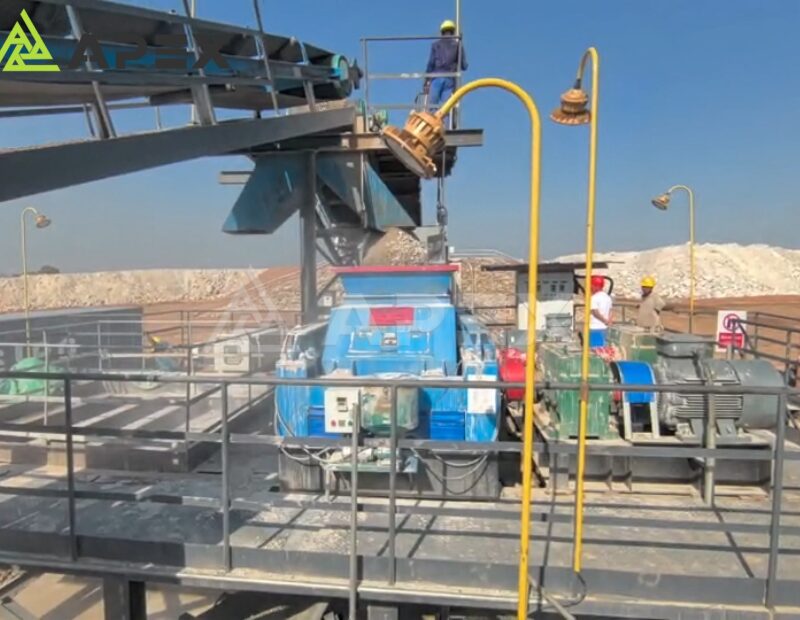
Double-Roll Crusher
2. Precise Discharge Sizing (1–5 mm Control)
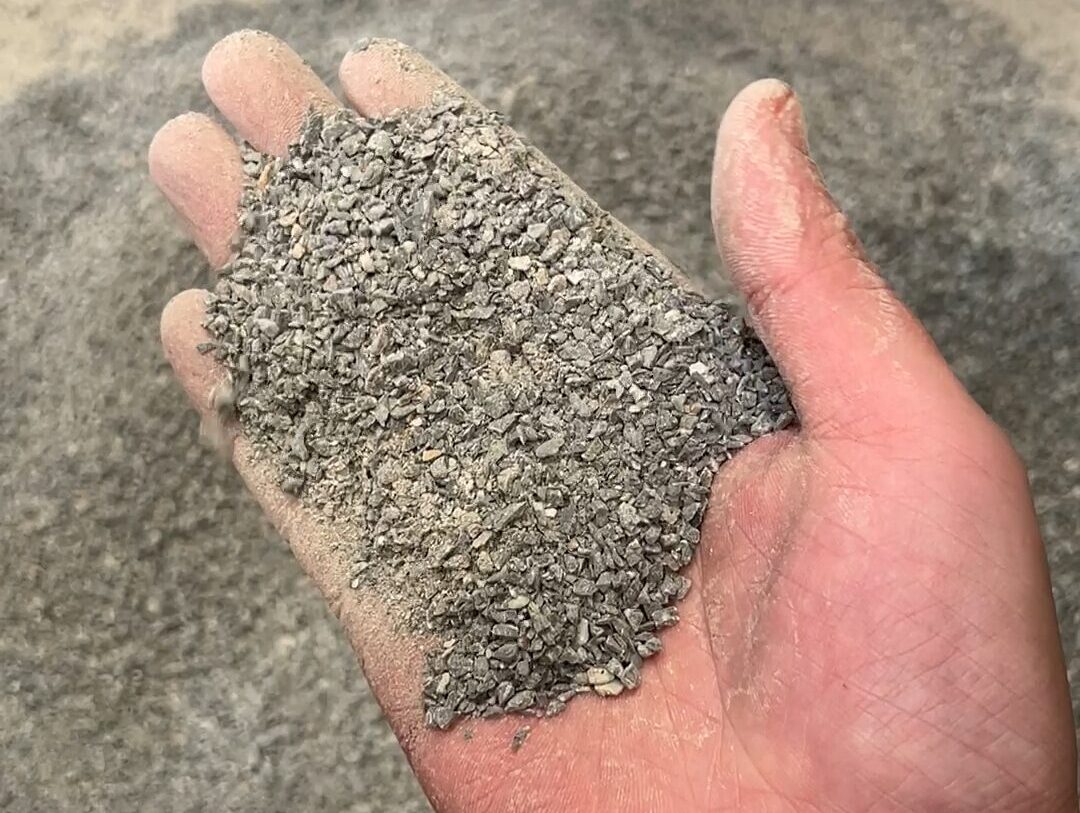
By adjusting hydraulic roller gap clearance, the crusher produces consistent 1–5 mm fine particles, relieving ball mills of secondary crushing burdens. The controlled reduction also prevents over-grinding and slimes generation, preserving downstream flotation or magnetic separation efficiency.
3. Upstream Pre-Grinding Circuit Positioning
Recommended Flow: Run-of-Mine Ore → Jaw Crusher (Primary) → Cone/Impact Crusher (Secondary) → APEX Double-Roll Crusher (Tertiary Fine Crushing) → Vibrating Screen → Screen Underflow to Ball Mill (Overflow returns in closed circuit).
Note: The double-roll crusher must operate as a tertiary pre-grinding unit and must not receive raw quarry boulders directly.
4. Superior Energy Efficiency Over Grinding Mills
Mechanical crushing consumes a fraction of the energy per ton required by ball mills. Replacing grinding work with roller crushing reduces total plant kilowatt-hour consumption per ton of ore processed.
⚖️ Hydraulic vs. Spring Double-Roll Crushers for Beneficiation
- Hydraulic Double-Roll Crusher (Preferred for Mining): Features non-stop hydraulic gap adjustment, constant pressure delivery, and automatic tramp iron relief. Ensures steady sizing during continuous closed-circuit production in large-scale mines.
- Spring Double-Roll Crusher: Requires physical shim adjustment during shutdown. Suited for small-to-medium concentrators with consistent feed conditions and low tramp iron risk.
💡 Critical Operational Rules for Pre-Grinding Circuits
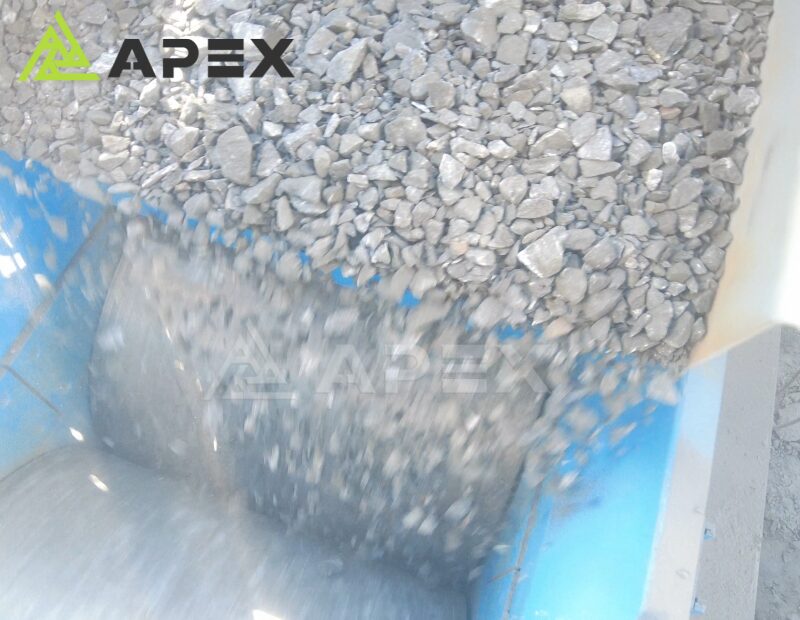
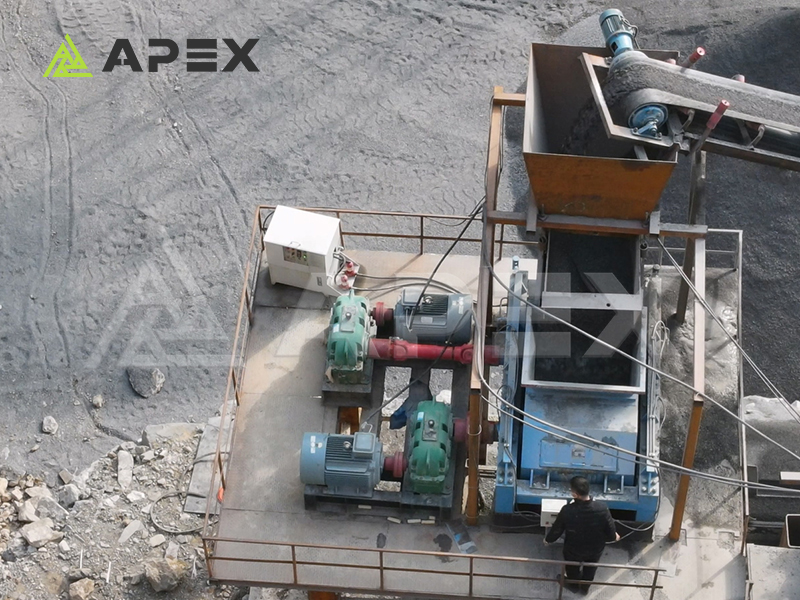
Crushing Performance of Double-Roll Crushers
- Control Maximum Feed Size: Ensure primary and secondary crushers reduce ore size within allowable limits before feeding the double-roll crusher.
- Enforce Closed-Circuit Screening: Pair with vibrating screens to recirculate oversize particles, guaranteeing uniform feed sizing into the ball mill.
- Maintain Full-Width Feed Distribution: Spread material evenly across the entire length of the rolls to prevent localized grooving and maintain consistent gap clearance.
- Install Upstream Magnetic Separators: Eliminate tramp metal to protect roller shells and sustain continuous crushing.
- Select Smooth Roll Surfaces: Choose smooth-surface roller shells for fine crushing in metal ore beneficiation circuits.
Plant Upgrade Planning: Contact APEX Heavy Industry with your ore type (iron, copper, gold, manganese), feed size, target hourly capacity, and ball mill specifications to receive a custom pre-grinding circuit design.
Hot Products
Why Does a Double Roll Crusher Suddenly Produce Coarser and Uneven Output?
Double-Roll Crusher Performance in Sand-Making: Fines Production & Finished Particle Shape Guide
Double-Roll Crusher Wear Parts & Roller Shell Service Life Guide ?

What Materials Are Suitable for a Double-Roll Crusher?