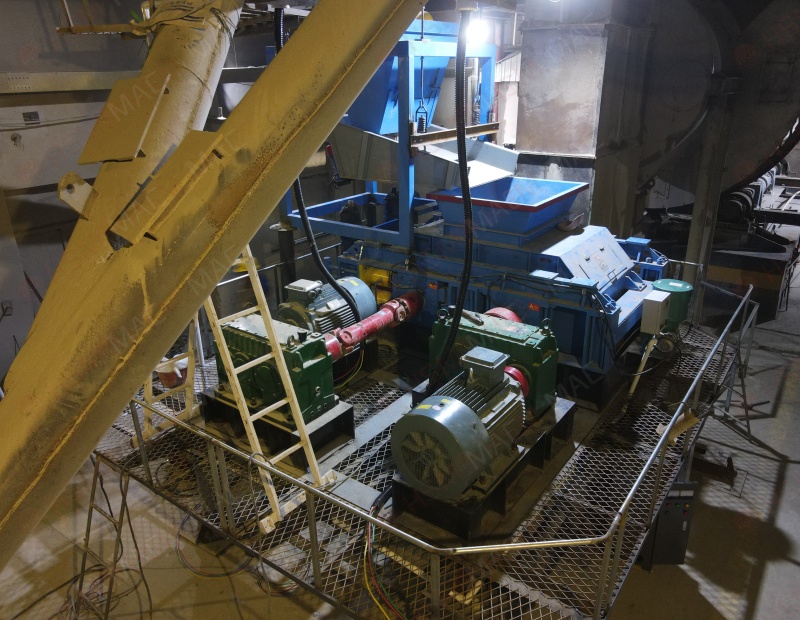
Roller Sand Making Machine: Solving Manufactured Sand Over-Crushing via “Compression Over Impact”
2026-09-16Executive Summary: Unlike impact and hammer crushers that rely on high-speed strikes, the double roller sand making machine utilizes compressive force and attrition shear generated by two independently driven counter-rotating rolls. This “compression over impact” approach minimizes over-crushing at the source, producing cubical, well-rounded aggregate with low flakiness and consistent grading. I. Replacing Impact with Compression to Reduce Over-Crushing Once raw material enters the crushing cavity, two counter-rotating wear-resistant rollers draw it smoothly into the crushing gap using surface friction. Subjected to compressive and shearing forces within the gap, the material fractures along its natural crystalline cleavage planes rather than splashing uncontrollably as it would under high-speed hammer impacts. This “compression over impact” method naturally gives the finished sand a well-rounded shape with minimal elongated or flaky particles. Compared to impact crushing, the roller sand maker significantly reduces over-grinding during fine crushing, substantially increasing the usable product yield. II. Roll Gap Discharge Control for Physical Screening & Stable Gradation The output size of the roller sand making machine is determined by the gap between the two rolls, which acts as the precise threshold for particle size control: Qualified Particles: Aggregates smaller than the set gap discharge smoothly along the tangential…
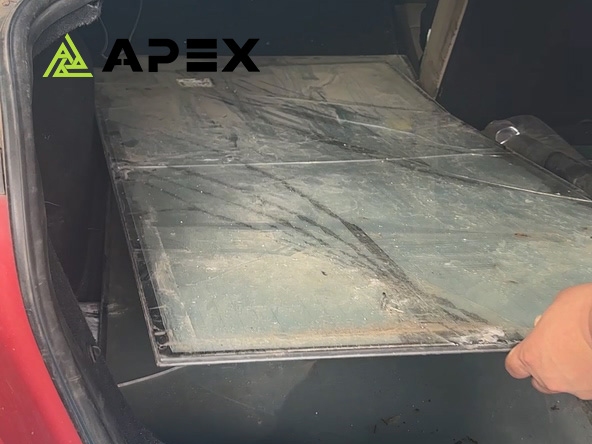
Huashengming (APEX) Toothed Roller Crusher for Waste Glass Recycling
2026-09-14Application Overview: The Apex Toothed Roller Crusher processes waste glass bottles and flat glass using low-speed extrusion and shearing mechanics[cite: 1]. This gentle compression method produces high-value cullet with low fines, making it ideal for glass remelting, glass fiber manufacturing, and building aggregates[cite: 1]. Key Performance Features & Value Highlights Feature Technical Specification Recycling & Operational Advantage Fines Generation Controlled under 10%[cite: 1] (vs. over 30% in hammer crushers)[cite: 1] Significantly less wasted glass powder[cite: 1]; final granules can go directly to remelting, bottle production, fiber, or aggregate lines[cite: 1]. Particle Control Adjustable 2 mm to 50 mm output via roller gap tuning[cite: 1]. Natural fracture with passivated edges and few thin needle splinters[cite: 1]; simplifies washing and optical sorting[cite: 1]. Feeding Mechanism Specialized “wolf-tooth” roller surface profile[cite: 1]. Firms grip on smooth, slippery glass surfaces[cite: 1], preventing slippage and material leakage for consistent feeding[cite: 1]. Protection & Wear High-alloy wear-resistant teeth[cite: 1] + hydraulic overload protection[cite: 1]. Resists sharp glass abrasion[cite: 1]; automatically retracts rollers to prevent structural damage from tramp metal[cite: 1]. Suggested Visual: Close-up detail of the high-alloy wolf-tooth roller surface gripping and shearing waste glass. Key Operational Benefits for Glass Recycling Higher Commercial Value: Lower fines…
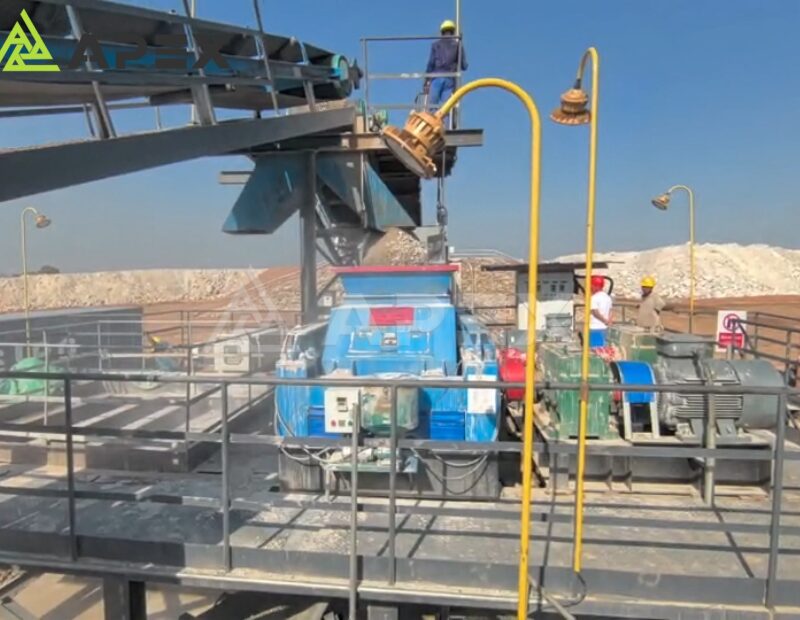
Double-Roll Crusher Application Guide: Implementing “More Crushing, Less Grinding” in Ore Beneficiation
2026-09-07Executive Summary: “More crushing, less grinding” is a proven energy-saving doctrine in mineral processing. Because crushing consumes substantially less power than grinding, shifting fine reduction to crushing machinery lowers ball mill feed size, reduces grinding loads, cuts power consumption, minimizes steel ball wear, and increases overall plant capacity. APEX hydraulic double-roll crushers leverage high-pressure interparticle bed crushing to generate internal micro-cracks in ore prior to milling, turning this efficiency concept into practice. 🔄 Traditional Processing vs. “More Crushing, Less Grinding” Process Strategy Operational Workflow System Impact Traditional Circuit Coarse crushing feeds directly into the ball mill; mill relies heavily on grinding coarse particles. High power draw, heavy grinding ball consumption, elevated mill load. “More Crushing, Less Grinding” Double-roll crusher handles pre-fine crushing before ball milling, shifting grinding tasks upstream. Substantial drop in overall power consumption, reduced media wear, increased mill throughput. ⚙️ 4 Core Mechanisms Enabling “More Crushing, Less Grinding” 1. Interparticle Bed Crushing & Internal Micro-Crack Formation APEX hydraulic double-roll crushers utilize interparticle bed crushing. Under intense static pressure exerted by counter-rotating rolls, ore particles compress against each other. This not only reduces particle size but also induces microscopic internal fractures throughout the ore matrix, making the rock significantly…
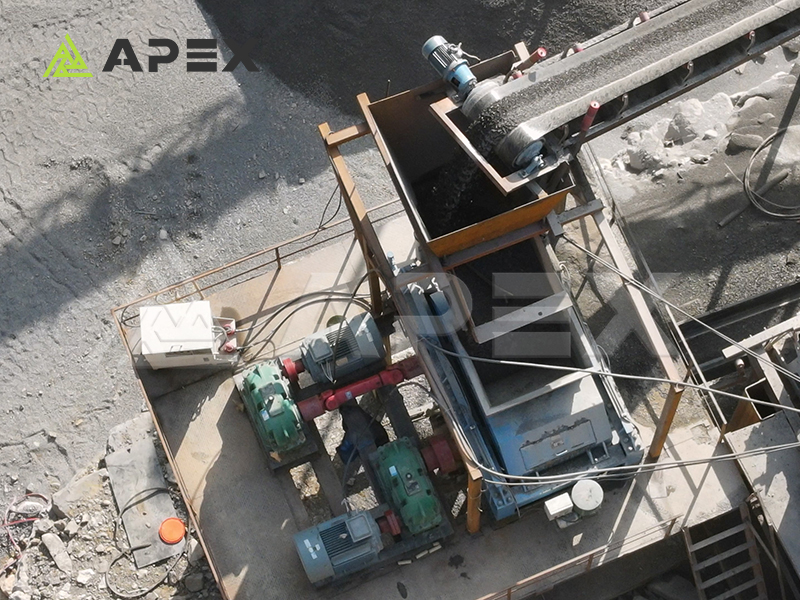
Key Technical Advantages of Double-Roll Crushers in Fine Crushing & Sand-Making
2026-09-04Overview: The double-roll crusher utilizes a high-pressure material-bed compression crushing mechanism, delivering prominent performance in sand-making and mineral fine crushing. It excels at processing hard and abrasive materials—such as cobblestone, quartz stone, and granite—while drastically lowering operating costs and power consumption. 🌟 Core Technical Features Superior Particle Shape & Low Over-Crushing: By crushing through continuous compression rather than high-speed striking, rocks crack along their natural crystal texture. This yields highly cubical particles with minimal flaky fragments and significantly reduces wasted stone powder compared to hammer or impact crushers. Hydraulic Iron-Passing Protection: Hydraulic double-roll models feature an automatic yielding and pressure-relief system. When iron or uncrushable impurities enter the chamber, the rollers automatically retract to discharge foreign objects and immediately reset, preventing mechanical damage and ensuring continuous production. Spring-type models offer basic buffer protection. Realizes “More Crushing, Less Grinding”: Fine-crushes ores down to 3–10 mm while generating dense internal micro-cracks inside particles. This drastically relieves downstream ball-mill workloads, boosts milling capacity, and cuts consumption of power, steel balls, and liners. It also effectively processes returned oversize stones from impact crushers to eliminate recirculating loads. Precise Roller Gap & Size Control: Discharge size can be flexibly adjusted within 1–20 mm by setting…
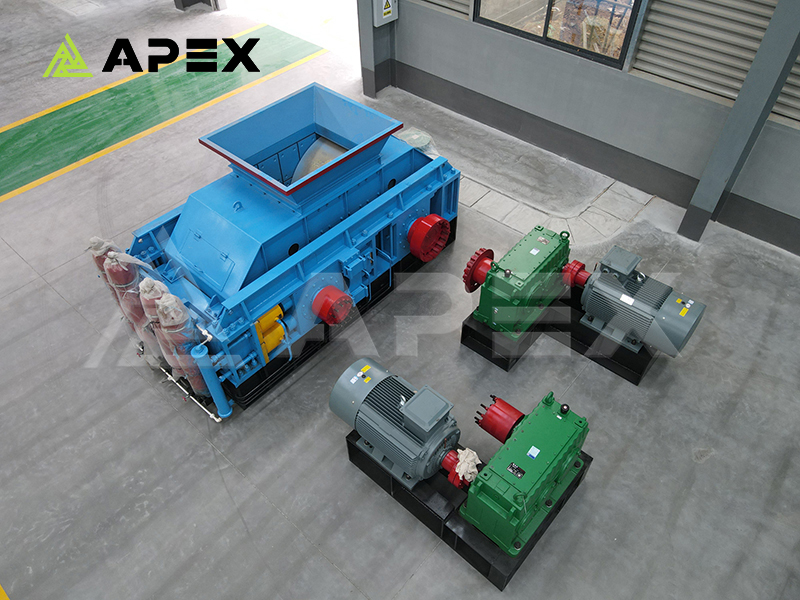
The Role of Roll Crushers in Gold Ore Processing
2026-09-01As gold mining operations face increasing pressure to reduce energy consumption, minimize over-crushing, and maximize recovery rates, the choice of crushing equipment in the processing circuit has never been more critical. Among the various crushing technologies available, the roll crusher has emerged as a highly effective solution for medium and fine crushing stages in gold ore processing lines — particularly for quartz vein gold ores and oxidized gold ores with high clay content. This article examines the role of the roll crusher in gold ore processing, explains its working principle, and highlights the key operational advantages it delivers in production. The Role of Roll Crushers in Gold Ore Processing In a typical gold ore processing line, the crushing circuit is responsible for reducing run-of-mine ore to a size suitable for grinding and subsequent concentration. The roll crusher is primarily deployed in the secondary and tertiary crushing stages, as well as in pre-grinding preparation. Key Functions in the Gold Processing Circuit Secondary Crushing After Jaw Crusher After primary crushing by a jaw crusher (typically reducing ore to 50–150mm), the roll crusher further reduces material to 15–30mm, preparing it for fine crushing or direct mill feed. Tertiary Fine Crushing Before Grinding In closed circuit with vibrating…
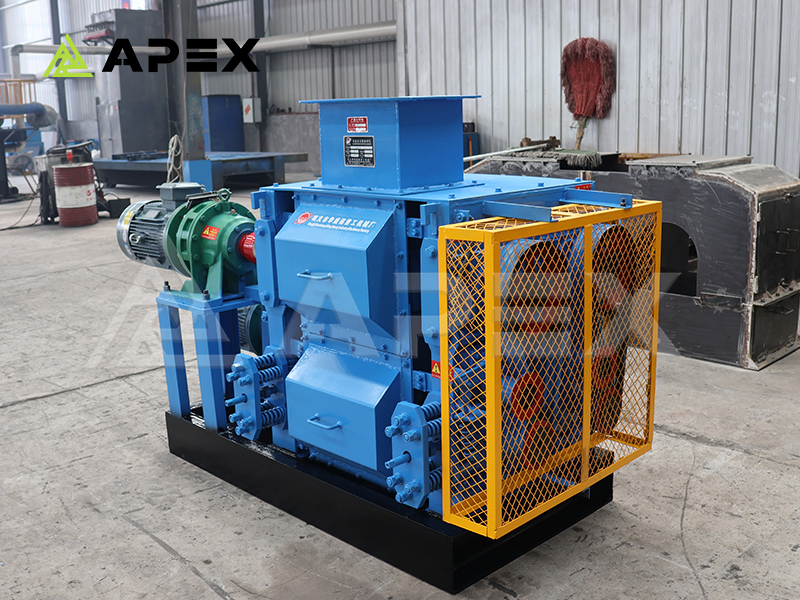
How to Choose Hua Sheng Ming’s Five Types of Roll Crushers?
2026-08-19There are many types of crushing equipment, each with different working principles, material suitability, and product output. Hua Sheng Ming, as a specialized manufacturer of roll crushing equipment, offers a product line covering roll crushers, toothed roll crushers, high-pressure grinding rolls, four-roll crushers, and spring roll crushers. This article explains the working principles, suitable materials, and key advantages of each type to help you make the right choice. Roll Crusher (Double Roll Crusher) The roll crusher is one of Hua Sheng Ming’s core products, using two independently driven rolls rotating in opposite directions to crush material through compressive and shearing forces. Working Principle: Material falls between the two rolls and is crushed by compression and shearing. The crushed particles are discharged through the gap between the rolls. Suitable Materials: Over 200 materials including river pebbles, calcite, quartz, glass, marble, cobblestone, bentonite, iron ore, bluestone, limestone, weathered sand, diabase, granite, basalt, and more. Key Advantages: Low over-grinding rate, full particle shape, reasonable gradation Roll shell average service life over 2 years Handles materials with moisture content up to 35%, suitable for both dry and wet materials Discharge size adjustable from 50 mesh to 20mm Capacity from 2 to 450 tons per…
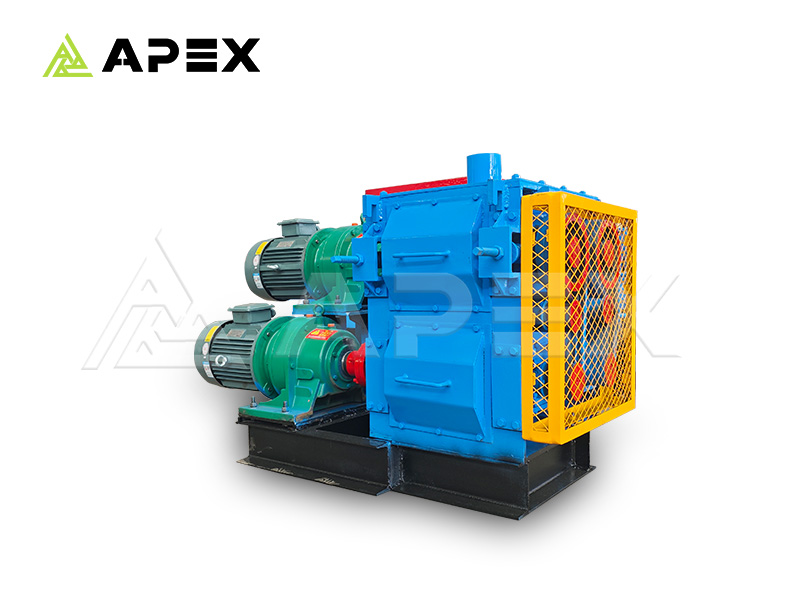
Four-Roll Crusher for Mine Waste Rock Processing
2026-08-15Mining operations generate large quantities of stripped waste rock and tailings. Long-term stockpiling not only occupies vast land areas but also creates environmental pressures such as dust emissions and soil erosion. Driven by green mining policies, more mining companies are choosing to process waste rock into qualified crushed stone and manufactured sand for use as road base materials and construction aggregates, achieving on-site solid waste utilization and resource reuse. Real Challenges in Mine Waste Rock Crushing Mine waste rock varies widely in hardness and often contains soil, rock impurities, and occasional tramp iron. Conventional impact crushers struggle with this material—high-speed impact causes over-grinding, rapid hammer wear, and frequent jamming from tramp iron. Sticky clay further reduces throughput, while poor dust sealing makes it hard to meet environmental standards. Hua Sheng Ming Four-Roll Crusher – Technical Solution Addressing the multiple challenges of mine waste rock processing, Hua Sheng Ming offers the four-roll crusher, applying a two-stage crushing and multi-roll compression approach to waste rock processing applications. The equipment features a two-stage roll arrangement: the upper pair of rolls handles primary crushing, and the lower pair performs secondary crushing—two stages in one pass. Material passes through both roll pairs in sequence, producing…

Roll Crusher Enhances Efficient Gold Ore Crushing and Beneficiation Efficiency
2026-08-08Gold ore varies in hardness and has complex compositions. The crushing process directly affects the operational efficiency and production costs of the entire beneficiation production line. How to reduce energy consumption and minimize over-crushing while ensuring crushing performance has always been a key concern for mining companies. With years of experience in the mining crushing equipment sector and a deep understanding of gold ore crushing processes, Hua Sheng Ming provides practical and reliable roll crusher solutions for customers. Higher Demands on Crushing Equipment in Gold Mining As the scale of gold ore resource development and utilization continues to expand, the crushing stage plays an increasingly important role in the overall beneficiation process. Gold ore typically varies in hardness and has complex compositions, with some ores containing associated minerals such as quartz and sulfides, which impose higher requirements on the wear resistance, stability, and processing capacity of crushing equipment. Gold ore crushers are primarily used to break large gold ore blocks into a particle size range suitable for subsequent grinding and beneficiation operations. A well-designed crushing process not only improves ore processing efficiency but also reduces the load on downstream equipment, lowering energy consumption and production costs, thereby enhancing the overall…
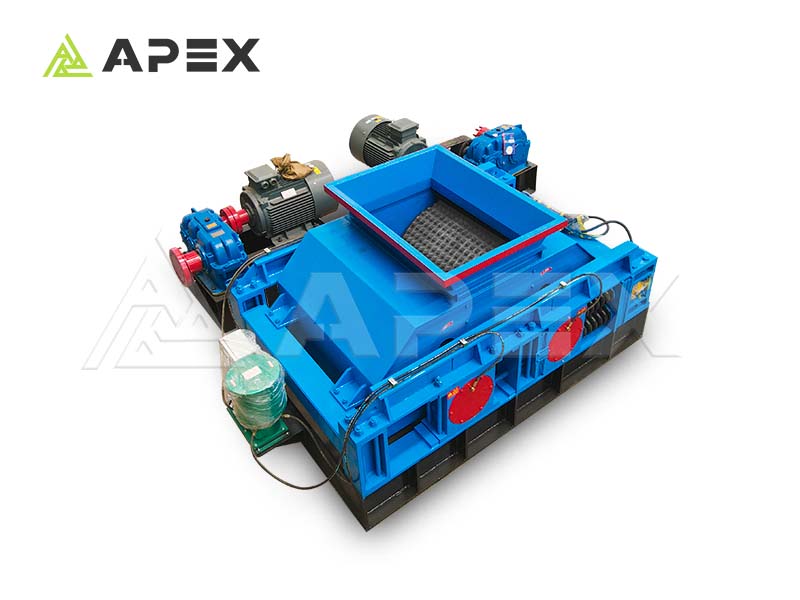
Waste Glass Toothed Roll Crusher: Solving the Problems of Excessive Fines, Sticking, and Clogging in Mirror Glass Crushing
2026-07-28I. Pain Points in Glass Recycling Crushing Waste glass and waste mirror glass are relatively special materials in the solid waste recycling industry. They have high hardness and brittleness, making them very easy to be pulverized into fine powder during crushing. In particular, waste mirrors come with reflective coatings, residual adhesives, and various impurities on the surface, which tend to adhere and accumulate inside the equipment, causing clogging and jamming. Conventional crushing equipment lacks targeted design for such materials, resulting in uneven particle sizes, high material loss, and frequent downtime for maintenance – making it difficult to meet modern large-scale glass recycling production standards. In response to these industry-wide pain points, Huashengming, drawing on years of experience in solid waste crushing, has developed and upgraded a specialized toothed roll crusher for waste glass, specifically designed for the refined crushing of mirror glass and waste glass. II. Outstanding Drawbacks of Traditional Crushing Equipment Currently, most solid waste processors still use traditional hammer crushers and impact crushers for glass waste. These equipment rely on high-speed rotor impact, which is seriously incompatible with the high-brittleness characteristics of glass. High-speed violent impact causes excessive pulverization of glass materials, resulting in high fines content and…