Article Summary:
Cement plants worldwide face constant pressure to lower electricity costs and boost output. High-Pressure Grinding Rolls (HPGR) successfully address both challenges. Deployed as a pre-grinding stage ahead of ball mills or for fine clinker and limestone reduction, HPGR technology slashes specific energy consumption while substantially raising plant throughput. This article explores how HPGR works in cement circuits, core operational benefits, plant placement strategies, and why APEX (APEX) Heavy Industry delivers trusted factory-direct HPGR solutions.
Cement plants worldwide face constant pressure to lower electricity costs and boost output. High-Pressure Grinding Rolls (HPGR) successfully address both challenges. Deployed as a pre-grinding stage ahead of ball mills or for fine clinker and limestone reduction, HPGR technology slashes specific energy consumption while substantially raising plant throughput. This article explores how HPGR works in cement circuits, core operational benefits, plant placement strategies, and why APEX (APEX) Heavy Industry delivers trusted factory-direct HPGR solutions.
Cement plants face two constant operational pressures: rising electricity costs and the constant demand for higher production output. High-Pressure Grinding Rolls (HPGR) help solve both challenges. Installed for pre-grinding before the ball mill, or for fine crushing of clinker and limestone, HPGR technology reduces specific energy consumption and elevates overall circuit throughput. APEX (APEX) Heavy Industry offers advanced HPGR solutions tailored specifically for cement applications, custom-sized to your exact working conditions 【Custom Parameters Available】.
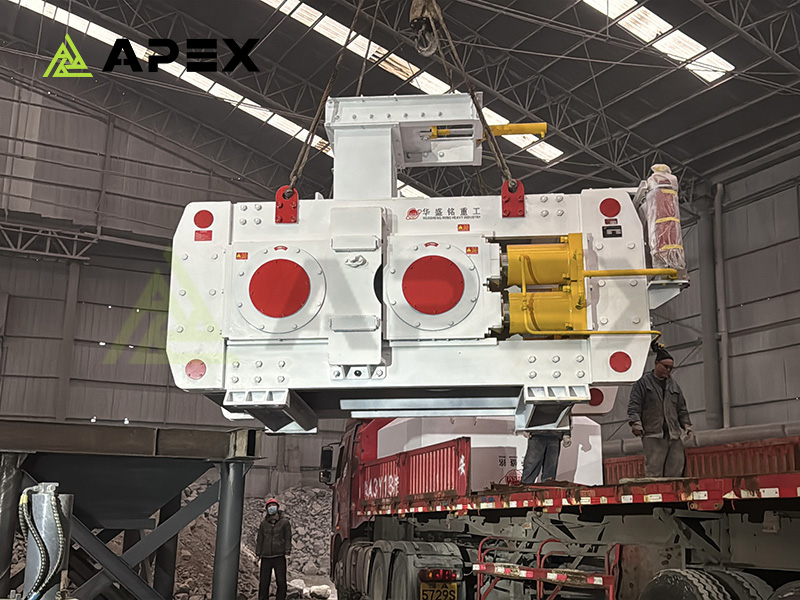
APEX High-Pressure Grinding Rolls Operating in a Cement Pre-Grinding Plant
1. What Is HPGR and How Does It Work in Cement?
HPGR utilizes two counter-rotating rollers to apply massive hydraulic pressure to a continuous bed of material. Rather than single-particle impact smashing, particles are crushed layer by layer under extreme pressure (inter-particle bed comminution), forming a compacted flake cake that is subsequently broken apart and screened. In cement manufacturing, HPGR is typically positioned directly ahead of the ball mill as a pre-grinding unit, reducing clinker, limestone, and raw feed into fine particles so the downstream ball mill operates with vastly reduced mechanical burden.
2. Five Major Benefits of HPGR in Cement Production
| Operational Benefit | Engineering Mechanism | Plant Economic Value |
|---|---|---|
| 1. Lower Power Consumption | Inter-particle bed compression is substantially more energy-efficient than traditional impact crushing 【Custom Parameters Available】. | Cuts total grinding electricity consumption (kWh/t), lowering utility costs significantly. |
| 2. Higher Plant Throughput | Supplies finely pre-conditioned feed with extensive internal micro-cracks to the ball mill 【Custom Parameters Available】. | Allows existing ball mills to produce significantly more cement within the same timeframe. |
| 3. Stable Product Gradation | Consistent hydraulic nip pressure yields uniform product sizing and stable fineness. | Stabilizes downstream finishing mills and guarantees consistent cement quality standards. |
| 4. Reduced Mill Wear | Finer incoming feed reduces the physical crushing burden on ball mill grinding media and liners. | Extends service lifespans of ball mill internal components and reduces relining downtime. |
| 5. Wear-Resistant Protection | Configured with studded alloy roll surfaces and dynamic hydraulic relief 【Custom Parameters Available】. | Effectively handles abrasive clinker feeds while protecting mechanical structures from uncrushable tramp. |
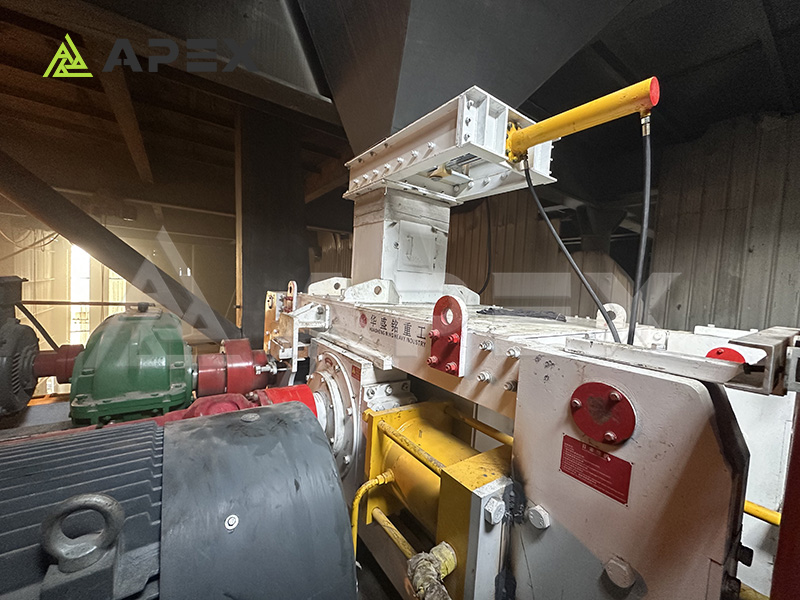
APEX High-Pressure Grinding Rolls Operating in a Cement Pre-Grinding Plant
3. Primary Placement Strategies in Cement Facilities
- Pre-Grinding Ahead of Ball Mills: The most prevalent application; HPGR takes raw clinker or cement feed down to finer sizes before finish milling, maximizing grinding efficiency.
- Fine Crushing of Raw Materials: Limestone and raw feed components are fine-crushed with HPGR to ensure homogeneous raw mix preparation for kilns.
- Additive and Slag Grinding: HPGR is widely used for processing blast furnace slag and other cement additives, improving overall mineral reactivity and specific surface area development.
4. Key Factors to Evaluate Before Selection
- Feed Material & Hardness: Clinker, limestone, and metallurgical slag differ significantly in hardness and abrasiveness; roll metallurgy and hydraulic pressure must match your exact feed 【Custom Parameters Available】.
- Target Fineness & Capacity: Clearly define required product size gradation and hourly throughput targets to ensure correct equipment sizing 【Custom Parameters Available】.
- Existing Circuit Integration: Since HPGR is typically added ahead of an existing ball mill, evaluate feed top-size and physical footprint constraints to ensure smooth integration 【Custom Parameters Available】.
- Material Trial Testing: Conducting a pilot test run with your actual cement clinker or raw feed provides empirical data on energy reduction, capacity, and wear rates 【Custom Parameters Available】.
5. Why Cement Plants Choose APEX HPGR Solutions
- Factory-Direct Manufacturer: APEX (APEX Heavy Industry) builds heavy crushing, sand-making, and grinding machinery completely in-house 【Custom Parameters Available】.
- Condition-Based Sizing: We match HPGR model configurations strictly to your feed properties, fineness specs, and capacity targets 【Custom Parameters Available】.
- Heavy-Duty Wear Protection: Abrasive clinker feeds are handled reliably through specialized wear-resistant roll surfaces and hydraulic safety systems 【Custom Parameters Available】.
- Proven Global Experience: APEX equipment supports cement, mineral, and aggregate plants successfully across Southeast Asia, Nigeria, Kenya, and international markets.
Optimize Your Cement Grinding Circuit with APEX HPGR Technology:
For cement plants, HPGR delivers lower energy costs, higher ball mill output, and stable product sizing. Placed before ball mills or utilized for fine raw material crushing, it is a proven pathway to enhanced grinding efficiency. APEX (APEX Heavy Industry) offers custom HPGR solutions for cement applications backed by wear-resistant options and working-condition sizing 【Custom Parameters Available】.
For technical parameters, circuit integration advice, or a free raw material sample test run, contact APEX Heavy Industry today for a personalized, one-on-one solution.
Hot Products
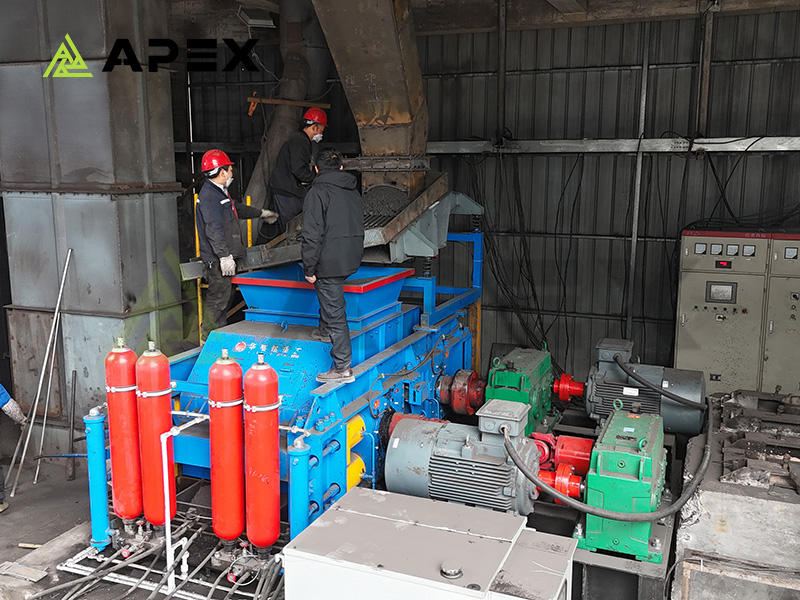
What Is the Ideal Feed Size for Crushing Hard Rock with Double Roll Crushers?
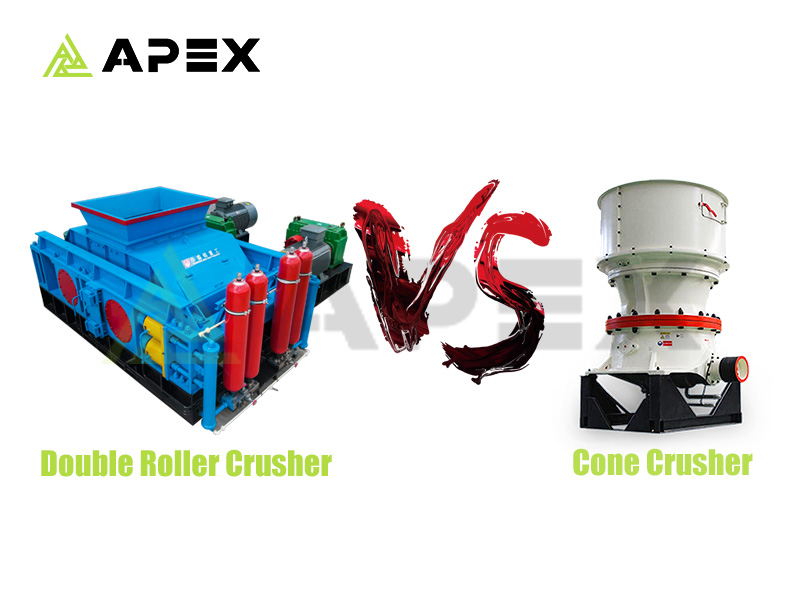
Double Roll Crushers vs. Cone Crushers: How to Choose the Right Fine Crushing Equipment for Your Plant
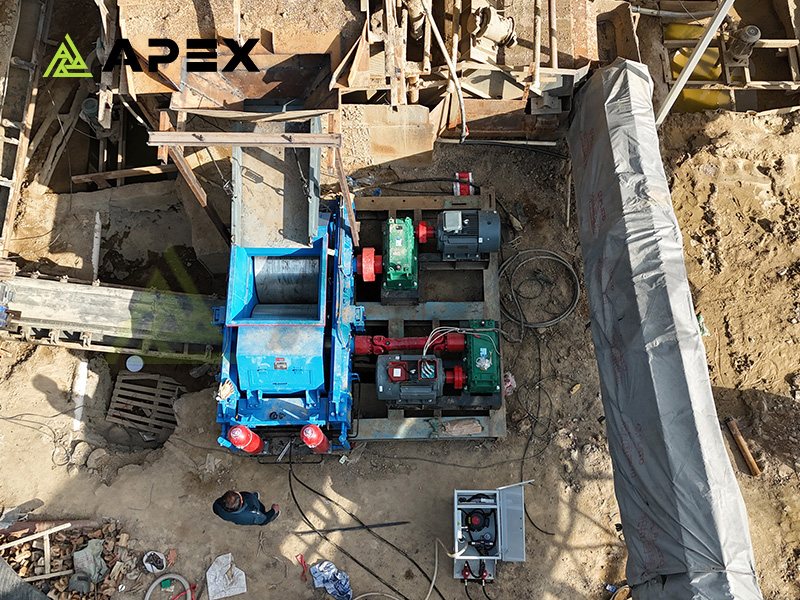
Does Decreasing the Roll Gap of a Double Roll Crusher Reduce Throughput? Performance Analysis & Solutions
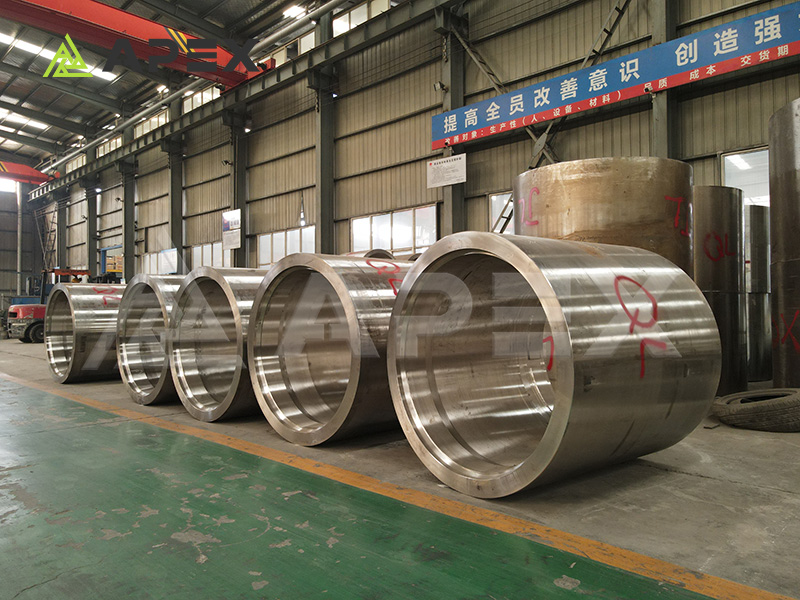
How Long Do Double Roll Crusher Roller Shells Last? Understanding the 3 Wear Stages & Maintenance Timing