Article Summary:
In cement manufacturing, finish grinding represents the single largest electrical energy consumer on site. By implementing the “crush more, grind less” principle, a double roll crusher functions as the premier clinker crusher and fine crusher ahead of the ball mill. This article examines why Apex (Apex) Heavy Industry’s low-speed compression crushers outperform impact mills on abrasive clinker, stabilize mill feed sizing, and deliver superior lifetime economics.
In cement manufacturing, finish grinding represents the single largest electrical energy consumer on site. By implementing the “crush more, grind less” principle, a double roll crusher functions as the premier clinker crusher and fine crusher ahead of the ball mill. This article examines why Apex (Apex) Heavy Industry’s low-speed compression crushers outperform impact mills on abrasive clinker, stabilize mill feed sizing, and deliver superior lifetime economics.
A cement plant’s single largest electricity consumer is finish grinding: the energy-intensive process of turning hard clinker nodules into the fine powder known as cement. The core rule driving modern cement comminution matches mineral processing identically—crush more, grind less. Every ton of clinker arriving at the ball mill at a smaller top size translates directly into reduced mill workload, lower steel consumption, and substantial power savings.
The double roll crusher earns its place in a cement production line as the clinker crusher and fine crusher positioned ahead of the finish mill. It takes cooler-discharge clinker down to a consistent, mill-friendly top size before final pulverization. This guide covers where it fits, its operational costs on clinker, and how it compares honestly against alternative sizing technologies 【Custom Parameters Available】.
Note: Capacity and product-size figures are indicative reference values; final equipment selection is confirmed against your clinker abrasiveness, cooler discharge condition, and finish mill requirements.
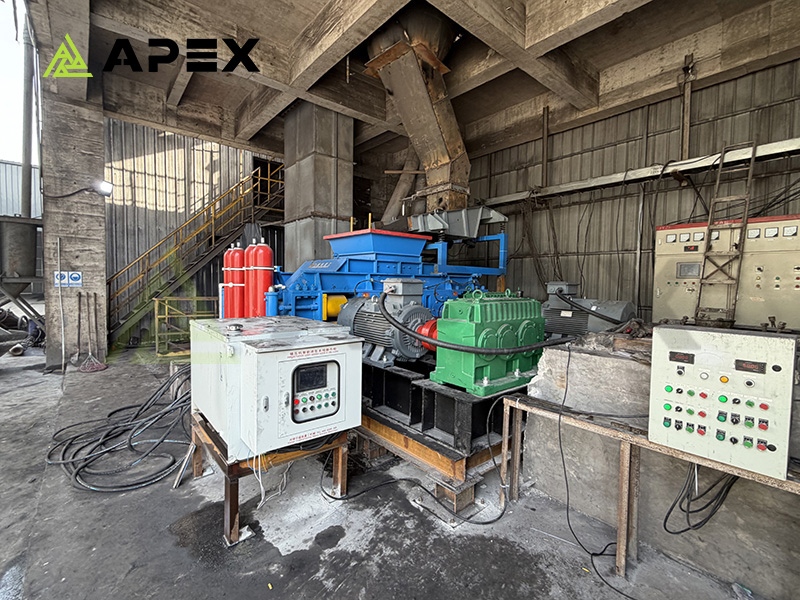
Apex Hydraulic Double Roll Crusher Operating in a Cement Plant
1. Why a Roll Crusher Excels in Clinker Duty
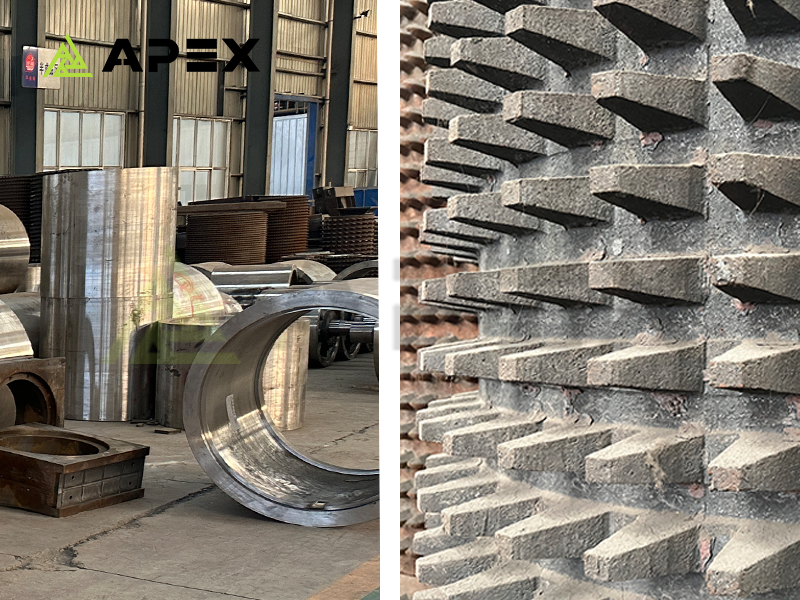
- Compression Crushing Suits Hard, Abrasive Clinker: Cement clinker is hard and highly abrasive—the exact operating environment where high-speed impact crushers rapidly burn through wear parts. The roll crusher’s low-speed compression applies steady mechanical force without the destructive, repeated high-energy impacts that hammer and blow-bar machines suffer on clinker. Fitted with high-chrome roll shells, it converts wear into a scheduled, individually replaceable item rather than an hourly consumable.
- Consistent Mill Feed Top Size: Finish ball mills operate at peak efficiency with steady feed sizing rather than fluctuating surges. The roll gap establishes clinker product top sizes reliably, enabling ball mills to run within their optimal efficiency zone instead of absorbing sudden thermal and mechanical shocks from oversize lumps. Feed stability remains one of the most effective yet overlooked levers for grinding efficiency.
- Low Fines, Low Dust Generation: The “crush-to-size-and-exit” mechanism keeps over-crushing to a minimum. Clinker is fractured to target sizing and discharged immediately without being pulverized into excess powder. This reduces dust emissions at the crusher stage and prevents redundant fine material loads from burdening the grinding circuit.
- Tolerance for Hot, Dusty Clinker Discharge: Clinker leaves the clinker cooler warm and laden with fine abrasive dust. The double roll crusher features no internal screening decks to blind and no restricted impact chambers to choke on dust—it maintains continuous material flow at the hot end of the cement line.
- Hydraulic Relief for Tramp Metal: Metallic inclusions such as mill liner fragments or tramp iron occasionally enter the feed stream. High-response hydraulic systems retract the movable roll instantly to pass foreign objects safely before resetting automatically—preventing catastrophic shaft damage.
🏭 2. Where It Sits in the Cement Production Flowsheet
Standard Proven Flowsheet:
Clinker Cooler Discharge $rightarrow$ Double Roll Crusher (Clinker Crusher) $rightarrow$ Bucket Elevator / Belt Conveyor $rightarrow$ Finish Ball Mill $rightarrow$ Finished Cement.
Most modern plants close a vibrating screen loop after the roll crusher: oversized particles return for a secondary pass, while qualified undersize feeds the finish mill directly. The roll crusher’s primary function is pre-conditioning clinker for the grinding mill rather than replacing grinding entirely—the ball mill continues to execute final ultra-fine size reduction 【Custom Parameters Available】.
📊 3. An Honest Comparison: Roll Crusher vs. Alternative Equipment
Industry-Standard Evaluation:
- vs. Roller Press (HPGR): For massive, ultra-high-capacity pre-grinding circuits, roller presses dominate and deliver superior pre-grinding ratios. The double roll crusher is the ideal choice when a plant requires a reliable clinker crusher with lower capital expenditure and simpler operational maintenance, or as a dedicated final sizing stage ahead of tube mills. Both serve distinct engineering roles; many large flowsheets incorporate complementary layers of both technologies.
- vs. Hammer / Impact Crushers: When processing abrasive clinker, hammer and blow-bar machines experience rapid wear and generate uncontrolled fine powders. The double roll crusher wins decisively on wear cost per ton and consistent feed sizing, though it carries a higher initial capital investment than a basic hammer mill.
- vs. Jaw Crushers: A jaw crusher functions as a primary coarse reduction machine; it is fundamentally unsuited to deliver the consistent, small mill-feed top size required by cement grinding circuits. The roll crusher provides the precise fine-crushing stage that jaw crushers cannot achieve.
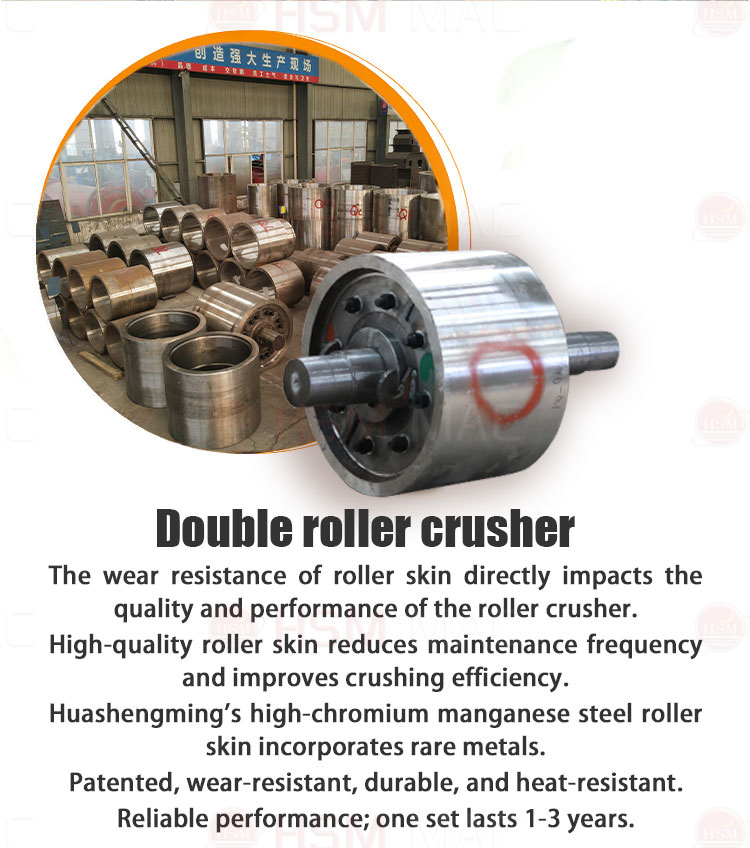
High-Chrome Roller Shells
Hot Products
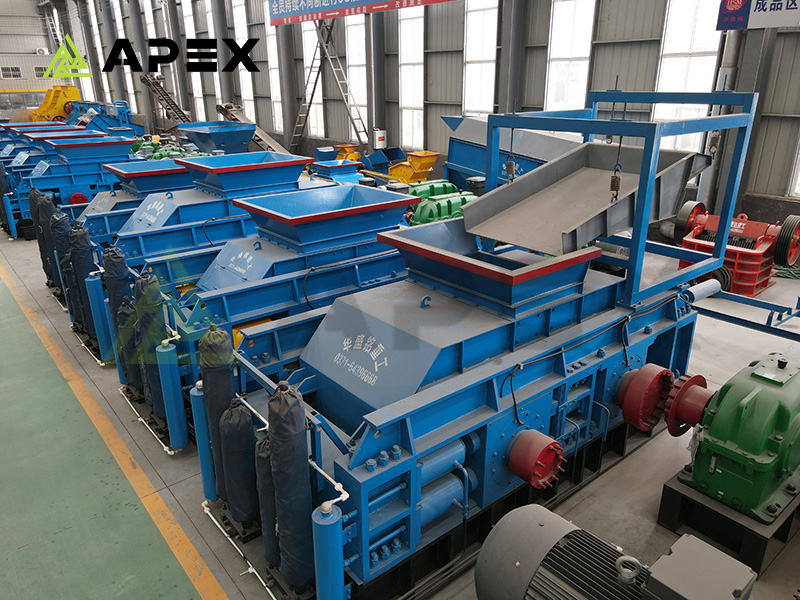
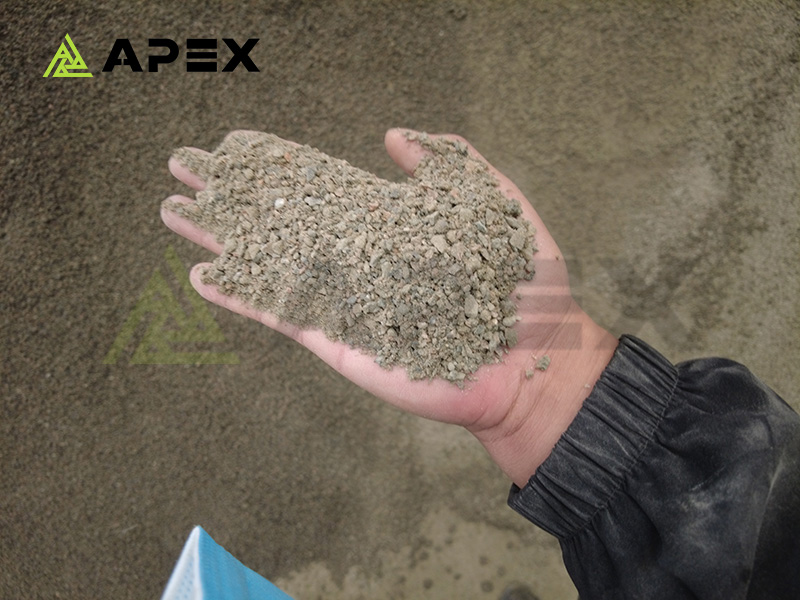
How to Solve Excessive Fine Powder in Crusher Output? Apex Double Roll Crusher for Low Over-Crushing & Cubical Particles
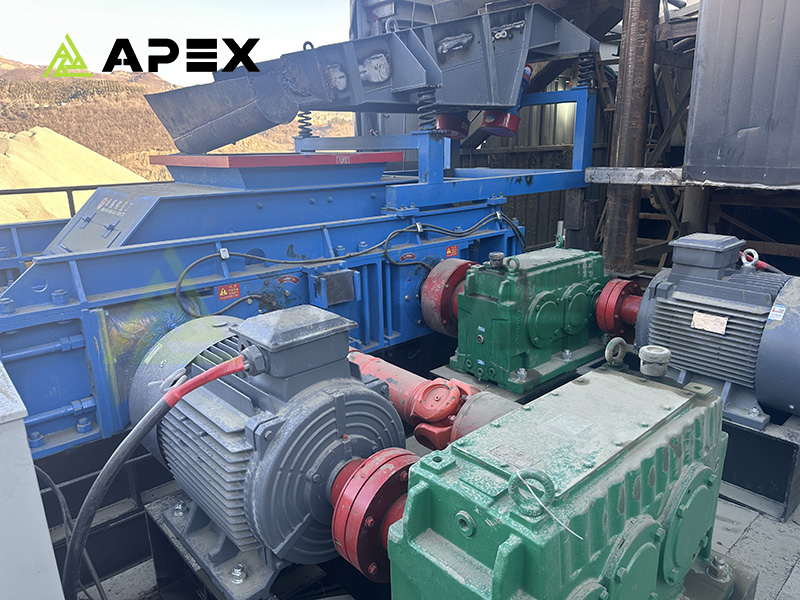
Can a Double Roll Crusher Process High-Hardness Ore? Engineering Capabilities and Reinforced Design
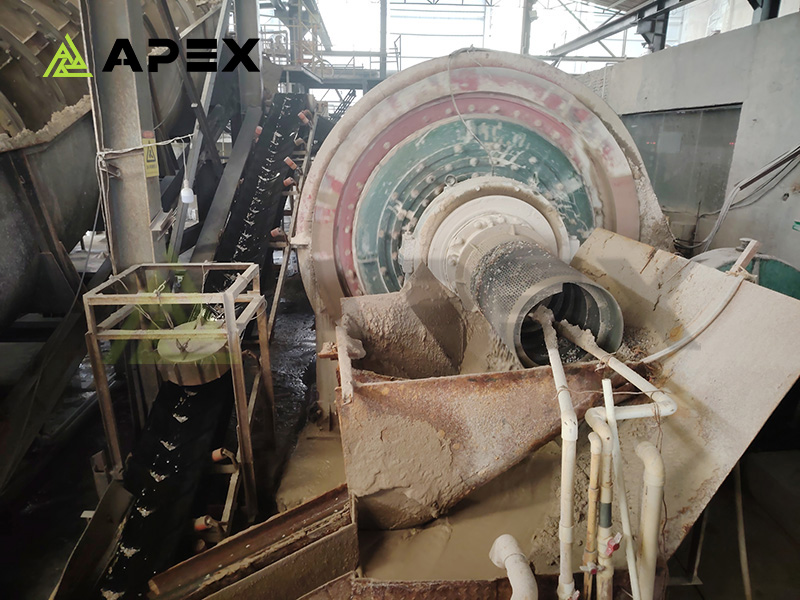
Can a Double Roll Crusher Replace a Ball Mill? The Fundamental Boundary Between Crushing and Grinding
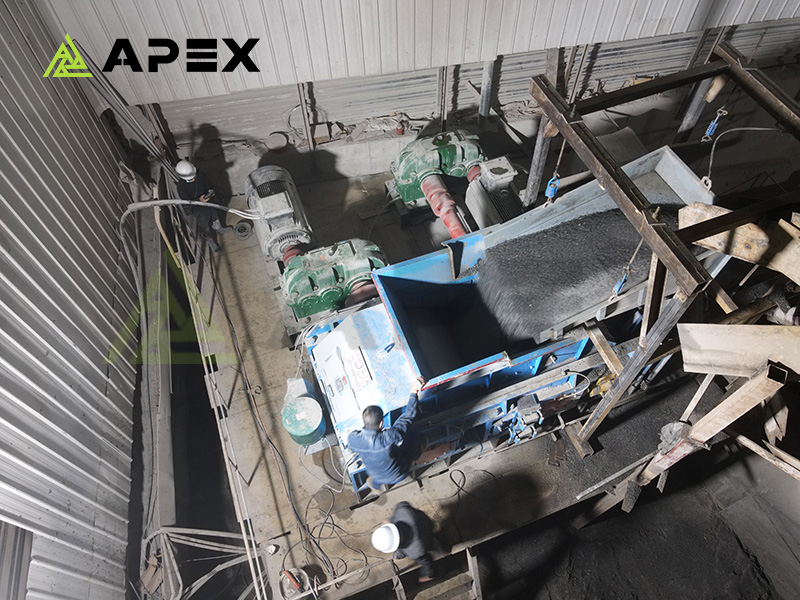
Calcite Crushing: Double Roll Crusher vs. Hammer Crusher for Whiteness Protection and Energy Efficiency