Article Summary:
A double roll crusher cannot—and should not—replace a ball mill. Crushing and grinding represent two completely distinct stages in mineral and cement processing flowsheets: one reduces material to millimeter-scale sizing through low-energy compression, while the other pulverizes material down to micron-scale powder using high-energy ball impact. This article examines the physical boundaries of comminution, the synergistic “crush more, grind less” relationship between roll crushers and ball mills, and debunks common capital-saving misconceptions for Huashengming (HSM) Heavy Industry clients.
A double roll crusher cannot—and should not—replace a ball mill. Crushing and grinding represent two completely distinct stages in mineral and cement processing flowsheets: one reduces material to millimeter-scale sizing through low-energy compression, while the other pulverizes material down to micron-scale powder using high-energy ball impact. This article examines the physical boundaries of comminution, the synergistic “crush more, grind less” relationship between roll crushers and ball mills, and debunks common capital-saving misconceptions for Huashengming (HSM) Heavy Industry clients.
Direct conclusion: No, it cannot, nor should it. A double roll crusher and a ball mill perform two completely different operational jobs within a processing plant—one focuses on “crushing,” while the other focuses on “grinding.” Claiming that a double roll crusher can replace a ball mill is equivalent to saying a food chopper can replace a precision grinder; it fundamentally confuses two separate processing stages.
The correct engineering perspective is that a double roll crusher pre-crushes material down to a stable, fine top size, enabling the downstream grinding mill to operate with maximum efficiency. It handles low-cost crushing so that expensive grinding mills do less heavy lifting. Ultimate product fineness, however, remains governed entirely by the grinding mill 【Custom Parameters Available】.
Note: Capacity and product size figures are indicative reference values; final plant configuration is confirmed against your specific ore work index, mineral hardness, and target fineness requirements.
[
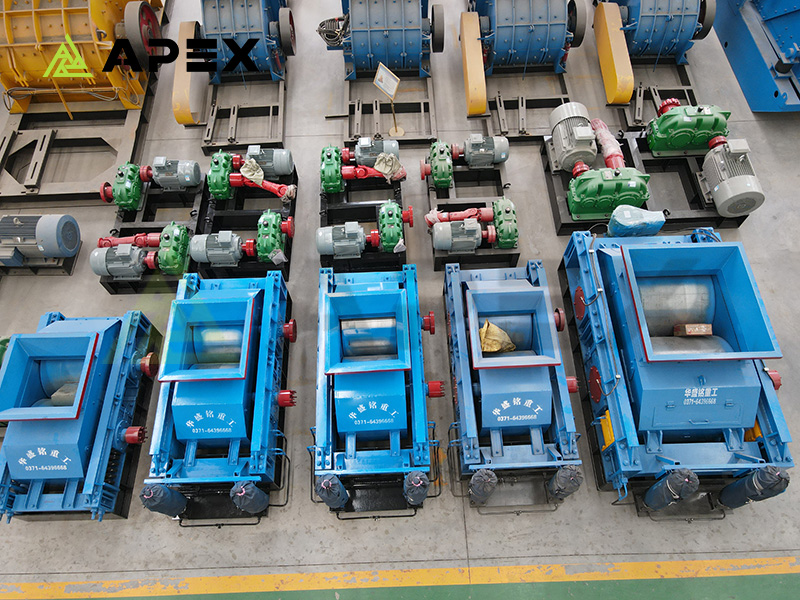
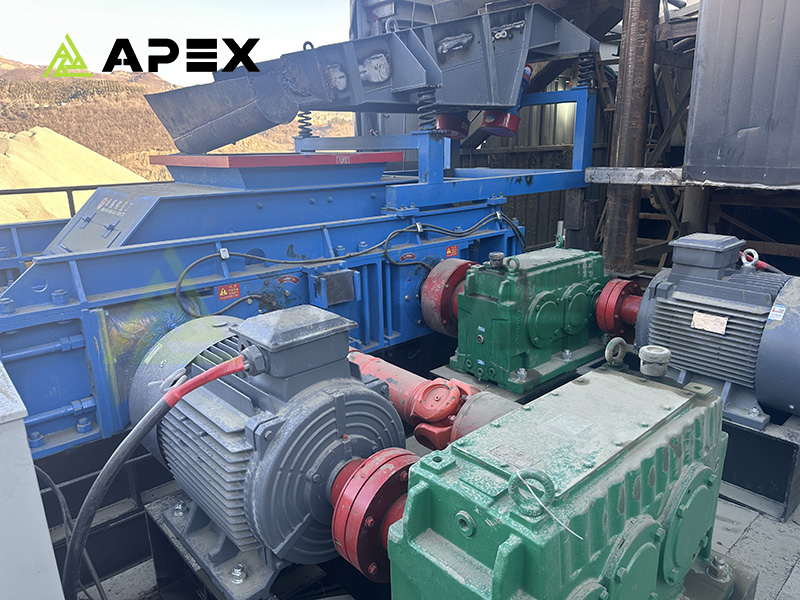
Apex Double Roll Crusher
1. Crushing and Grinding Are Two Distinct Stages
- Crushing (Double Roll Crushers): Utilizes mechanical compression and shear forces to reduce large raw rocks down to millimeter-scale sizing. Energy consumption is low, mechanical equipment is structurally streamlined, and the process is engineered specifically for bulk size reduction (“taking large blocks down to small lumps”).
- Grinding (Ball Mills / Rod Mills): Relies on cascading steel grinding media to pulverize millimeter-scale particles down to tens of microns. Electrical energy draw is exceptionally high, making grinding the single most capital- and power-intensive stage in the entire plant.
A strict physical boundary separates these operations: crushers cannot achieve micron-scale fineness, and mills should never be burdened with coarse primary reduction. Forcing a grinding mill to crush large rocks means utilizing the most expensive equipment on site for the cheapest mechanical work, resulting in excessive electrical power and grinding media consumption.
2. The Synergistic Relationship: Front-End Support
Double roll crushers and ball mills work in tandem rather than competing against each other. The standard industrial layout follows a sequential progression:
Standard Proven Flowsheet:
Primary Coarse Reduction $rightarrow$ Secondary Reduction $rightarrow$ Double Roll Crusher (Fine Crushing) $rightarrow$ Ball Mill (Powder Grinding) $rightarrow$ Finished Product.
Three Major Benefits of Pre-Crushing:
- Reduced Mill Workload: Lowering feed top size entering the ball mill immediately enhances overall mill throughput capacity and energy efficiency.
- Stabilized Mill Feed: Roller gap locking establishes a consistent feed top size with minimal fluctuation, keeping the ball mill operating within its optimal efficiency zone.
- Extended Media Lifespan: Avoiding coarse chunks inside the ball mill significantly reduces consumption rates of steel grinding balls and internal shell liners.
This operational philosophy embodies the core industrial maxim: Any reduction achievable through low-cost crushing should never be left for expensive grinding media to conquer 【Custom Parameters Available】.
3. Deconstructing Common Misconceptions
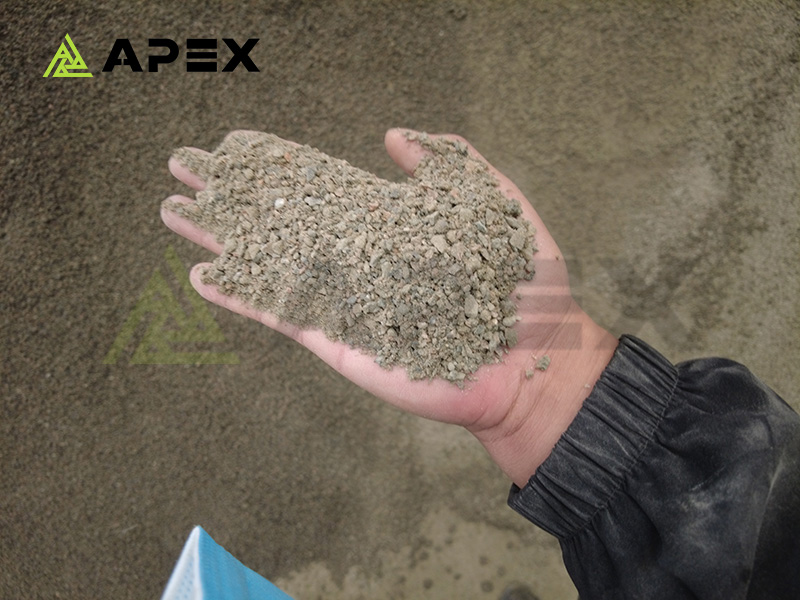
- Misconception 1: Confusing Millimeter Sizing with Micron Powder. Because double roll crushers produce fine manufactured sand and granular particles, some operators assume they generate ultrafine powder directly. In reality, roll crusher output remains millimeter-scale; achieving micron-scale powder requires the shear and impact forces of a ball or vertical roller mill.
- Misconception 2: Trying to Eliminate Mill Capital Investment. While ball mills represent significant capital expenditure and space requirements, they remain the exclusive industrial stage capable of achieving target fineness in conventional flowsheets. Omitting the ball mill does not save money—it results in finished products that fail to meet commercial specifications.
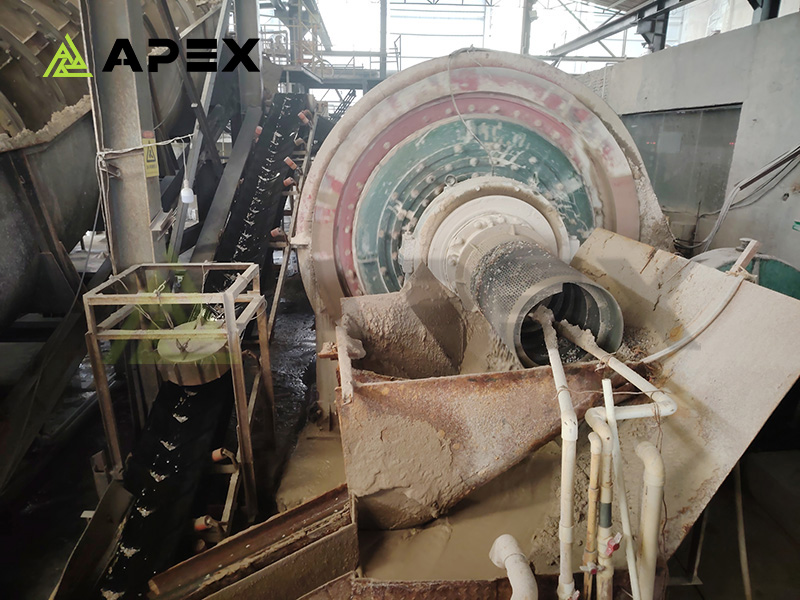
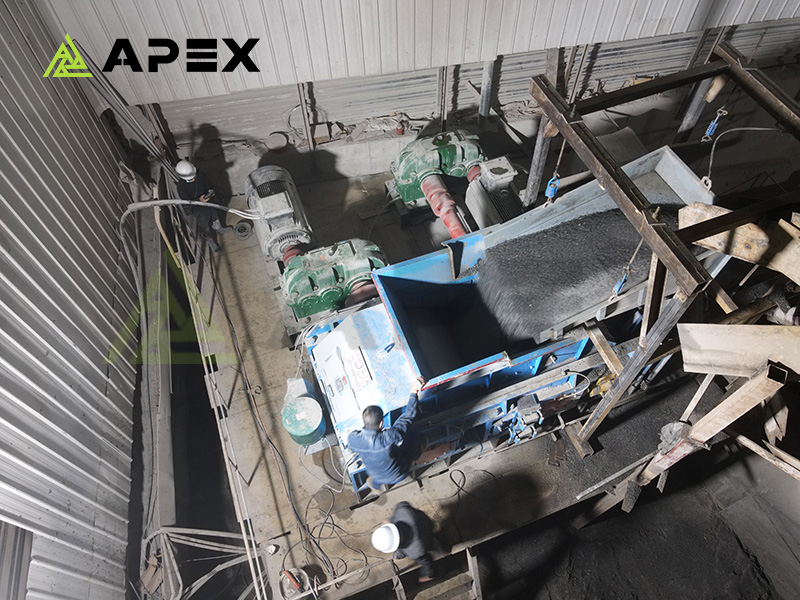
Double Roll Crusher Feeding a Ball Mill Circuit
Hot Products
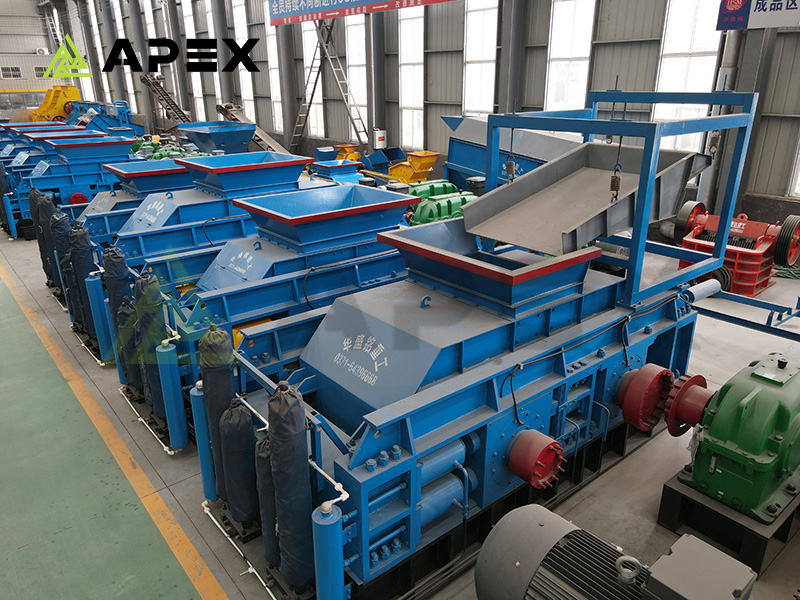
How to Solve Excessive Fine Powder in Crusher Output? Apex Double Roll Crusher for Low Over-Crushing & Cubical Particles
Can a Double Roll Crusher Process High-Hardness Ore? Engineering Capabilities and Reinforced Design
Can a Double Roll Crusher Replace a Ball Mill? The Fundamental Boundary Between Crushing and Grinding
Calcite Crushing: Double Roll Crusher vs. Hammer Crusher for Whiteness Protection and Energy Efficiency