What Materials Are Suitable for a Double-Roll Crusher?
Overview: Double roll crushers break materials through compression force, performing best on medium-hard and brittle rocks. Selecting the proper model—smooth-roll for fine sand-making or toothed-roll for primary coarse crushing—depends entirely on your feed material’s characteristics and size.
✅ Suitable Materials: Smooth-Roll Crusher (Hydraulic / Spring)
Engineered for high-quality manufactured sand and small aggregate production. Feed materials require pre-crushing upstream.
- Hard Rocks: Quartz stone, cobblestone, granite, basalt, river pebble, and diabase. Produces well-shaped, cubical sand with low fines.
- Medium-Hard Stones: Limestone, dolomite, andesite, weathered rock, and weathered sand.
- Metallic & Industrial Ores: Iron ore, manganese ore, and copper ore (designed for secondary and tertiary crushing circuits).
- Recycled Aggregates: Concrete fragments and crushed construction waste (steel rebar and iron pieces must be removed in advance).
⚠️ Important Note: Large raw boulders cannot be fed into smooth-roll models directly. Upstream pre-crushing with a jaw crusher is strictly required.

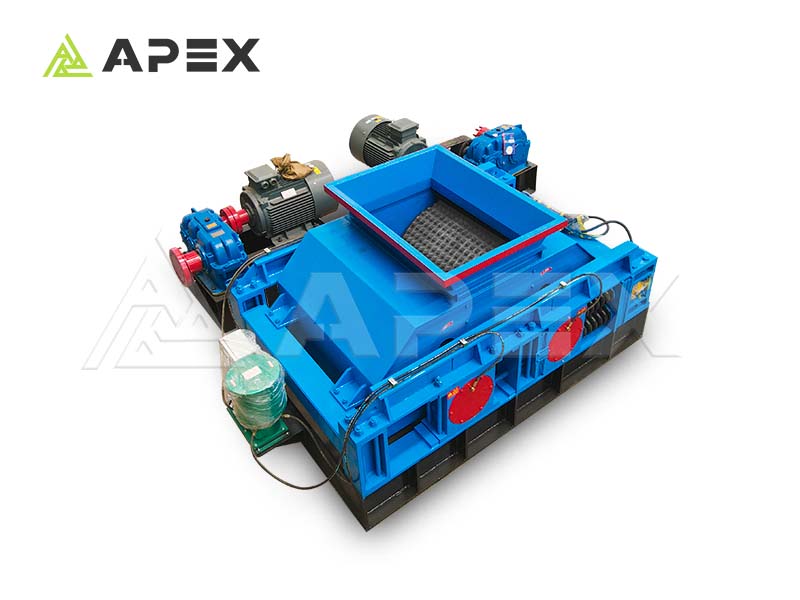
Hydraulic Double Roller Crusher
Figure 1: Smooth-roll setup optimized for hard rock sand-making
✅ Suitable Materials: Toothed-Roll Crusher
Features heavy-duty surface teeth providing strong material-biting capacity, accepting large feed sizes for primary crushing with low fine output.
- Sedimentary Rocks & Fossil Fuels: Limestone, coal, and coal gangue.
- Masonry Waste: Construction waste, bricks, and shale.
- Soft/Brittle Minerals: Gypsum and other brittle, medium-hard materials.
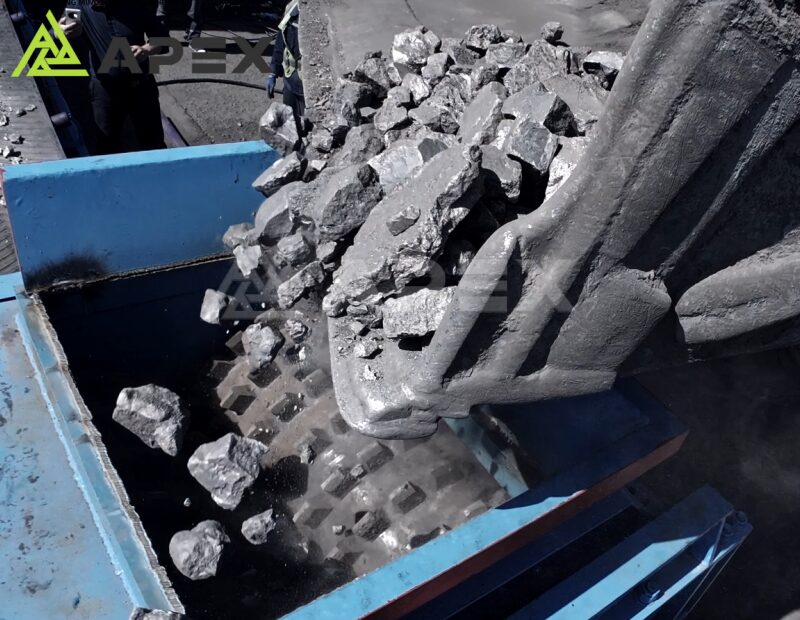
Toothed-Roll Crusher
Figure 2: Toothed rollers designed to grab and fracture large rock lumps
❌ Materials Unsuitable for Direct Processing
- High-Viscosity & Wet Materials: Clay, sticky soil, or muddy stone. These stick to the roller shell and cause severe operational blockages. (Requires pre-demudding or drying).
- High-Toughness Elastic Materials: Ductile metals, steel bars, or rubber, which resist compression crushing.
- Un-Precrushed Large Hard Rock: Feeding large, smooth boulders directly into smooth-roll models will cause material slippage and feeding failure.
🎯 Quick Selection Summary
👉 For Manufactured Sand (1–20 mm): Select a Hydraulic Smooth-Roll Crusher. Ideal materials include cobblestone, quartz stone, granite, and weathered sand.
👉 For Large Lumps & Coarse Aggregate: Select a Toothed-Roll Crusher. Ideal materials include large limestone, coal, and construction waste.
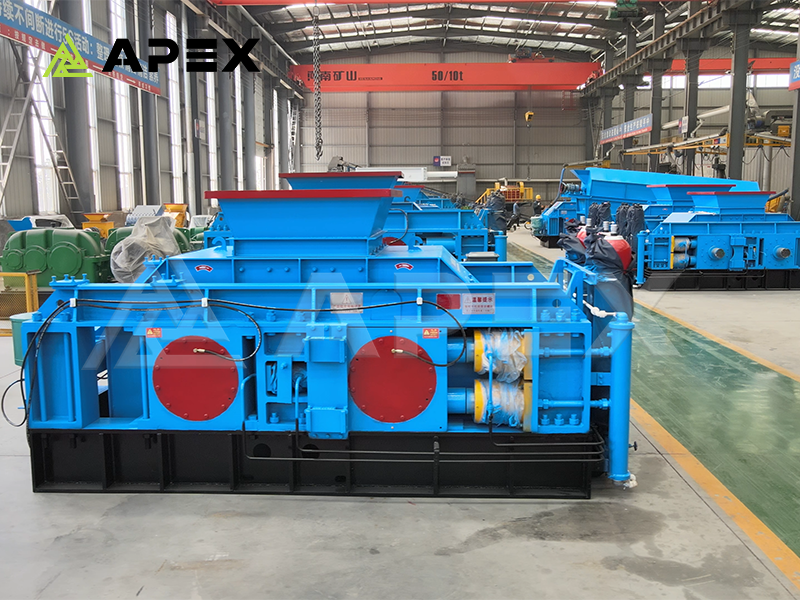
Hot Products
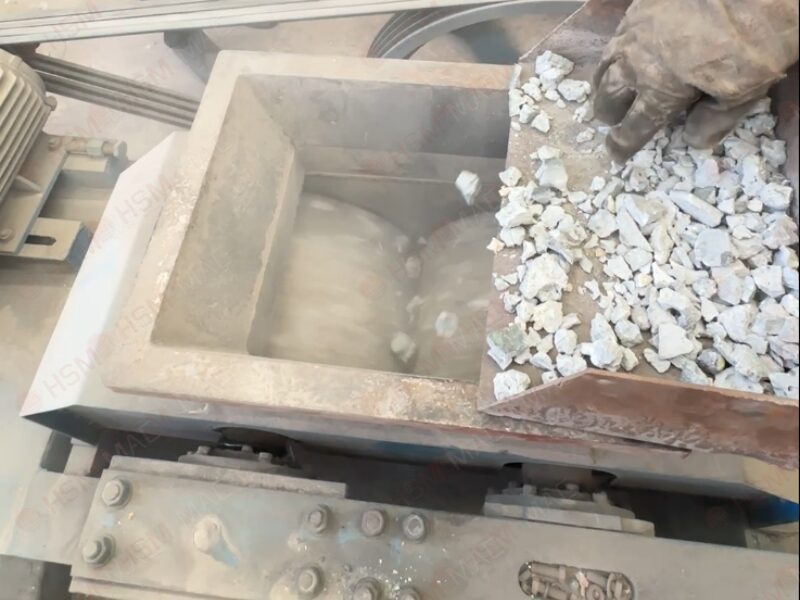
Why Does a Double Roll Crusher Suddenly Produce Coarser and Uneven Output?
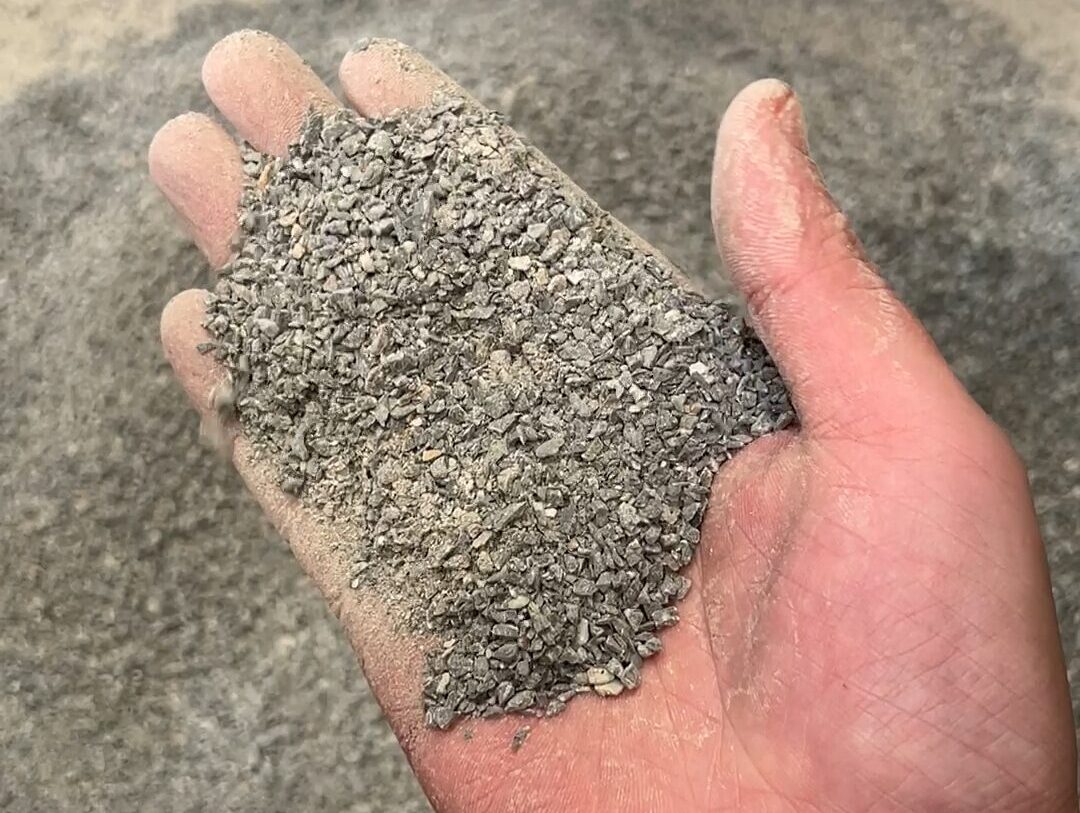
Double-Roll Crusher Performance in Sand-Making: Fines Production & Finished Particle Shape Guide
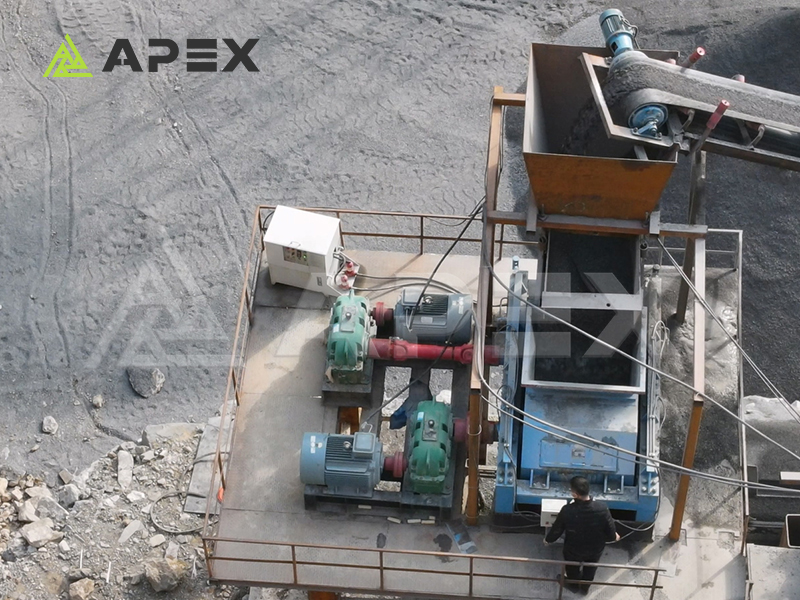
Double-Roll Crusher Wear Parts & Roller Shell Service Life Guide ?

What Materials Are Suitable for a Double-Roll Crusher?