Introduction
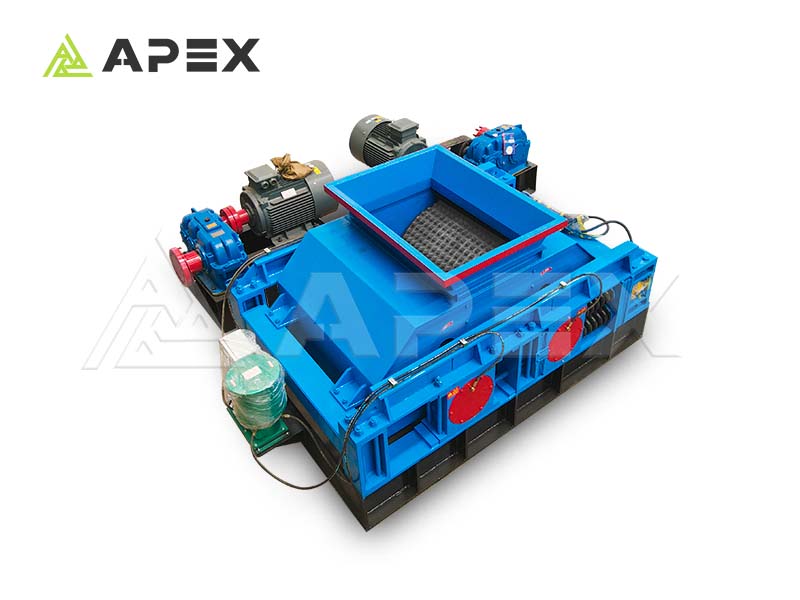
The roller crusher (also known as a roll crusher) is a widely used compression-type crushing machine in mining and mineral processing. It is particularly valued for its ability to produce uniform particle sizes with minimal fines, making it ideal for gold ore, nickel laterite, and other materials where over-crushing must be avoided. This FAQ answers the most common questions about how a roller crusher works and what makes it effective.
Q: What is a roller crusher?
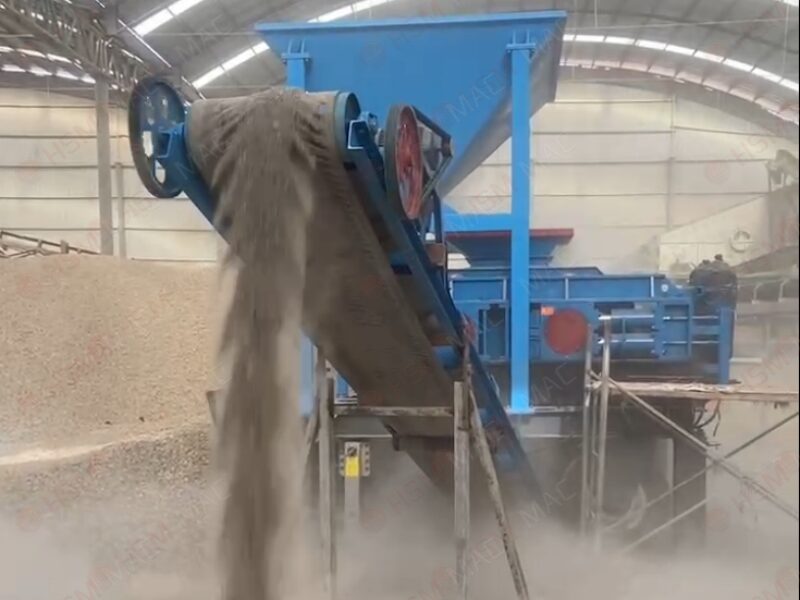
A roller crusher is a crushing machine that uses two counter-rotating cylindrical rolls to break material by compression. It is primarily used in medium and fine crushing applications, reducing ore from jaw crusher output down to mill feed size or heap leach size. Unlike impact crushers, which rely on high-speed striking, the roller crusher applies slow, steady pressure to fracture material.
Q: How does a roller crusher work?
The working principle of a roller crusher is based on compression crushing between two rolls:
-
Feeding: Material is fed from above into the gap between two horizontally mounted, counter-rotating rolls.
-
Nipping: As the rolls turn toward each other, friction grips the material at the “nip angle” — the point where the particle first contacts both roll surfaces.
-
Compression and fracture: The material is drawn down into the narrowing gap. Compressive pressure builds rapidly until it exceeds the material’s compressive strength, causing it to fracture.
-
Discharge: The crushed particles fall through the discharge opening below. Because the gap is fixed, any particle larger than the roll gap cannot pass through — this naturally produces a uniform product with very few oversized pieces.
This single-pass compression mechanism is gentle compared to impact crushing, which is why the roller crusher generates far fewer fine particles.
Q: What determines the final product size?
Three main factors control the output size of a roller crusher:
-
Roll gap setting — The distance between the two rolls. This is the most direct control: a smaller gap produces a finer product.
-
Roll diameter — Larger diameter rolls can grip larger feed material and typically provide a more consistent nip.
-
Feed size — The maximum feed size is limited by the roll diameter. As a rule of thumb, the maximum feed size should not exceed about 1/4 to 1/5 of the roll diameter for smooth rolls.
On modern hydraulic roller crushers, the gap can be adjusted with precision of ±1mm, even while the machine is running.
Q:Can a roller crusher handle wet, sticky, or clay-rich materials?
Yes — this is one of the roller crusher’s most important advantages. Because it has no enclosed crushing chamber, no grate bars, and no screen deck inside the crushing zone, there is no place for sticky material to accumulate. The material is forced through the gap between the rolls by friction and compression.
Conclusion
The roller crusher works by forcing material between two counter-rotating rolls under high compression. This simple, robust mechanism delivers uniform product size, minimal over-crushing, excellent handling of wet and sticky ores, and significantly lower energy consumption compared to conventional crushers. For gold processing, nickel laterite, and other applications where preserving coarse particles and avoiding fines is critical, the roller crusher is a proven, cost-effective choice.
If you have further questions about roller crusher operation, sizing, or suitability for your specific ore, please contact our technical team.
Hot Products
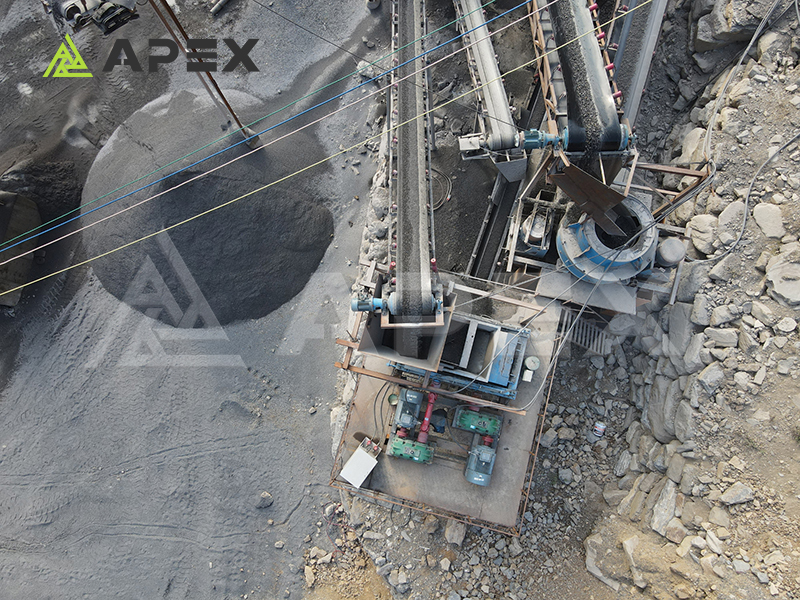
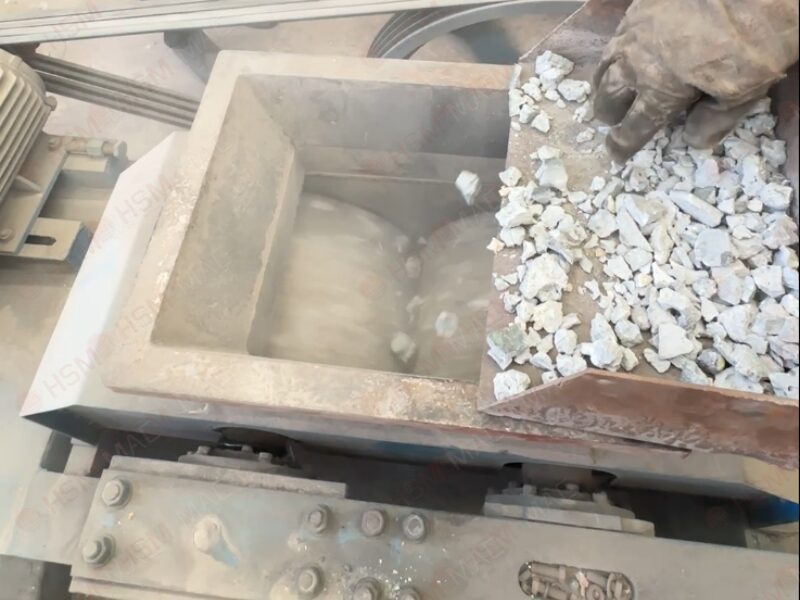
Why Does a Double Roll Crusher Suddenly Produce Coarser and Uneven Output?
Double-Roll Crusher Performance in Sand-Making: Fines Production & Finished Particle Shape Guide
Double-Roll Crusher Wear Parts & Roller Shell Service Life Guide ?

What Materials Are Suitable for a Double-Roll Crusher?