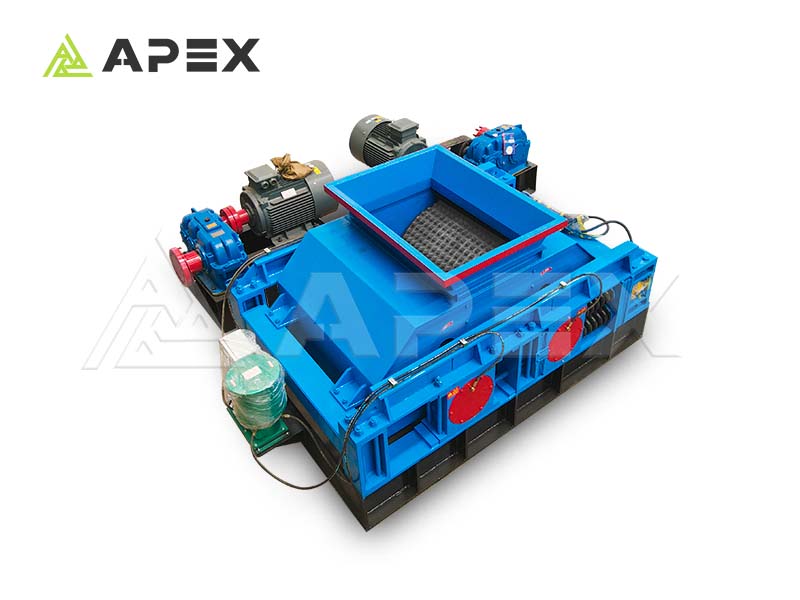
As gold mining operations face increasing pressure to reduce energy consumption, minimize over-crushing, and maximize recovery rates, the choice of crushing equipment in the processing circuit has never been more critical. Among the various crushing technologies available, the roll crusher has emerged as a highly effective solution for medium and fine crushing stages in gold ore processing lines — particularly for quartz vein gold ores and oxidized gold ores with high clay content.
This article examines the role of the roll crusher in gold ore processing, explains its working principle, and highlights the key operational advantages it delivers in production.
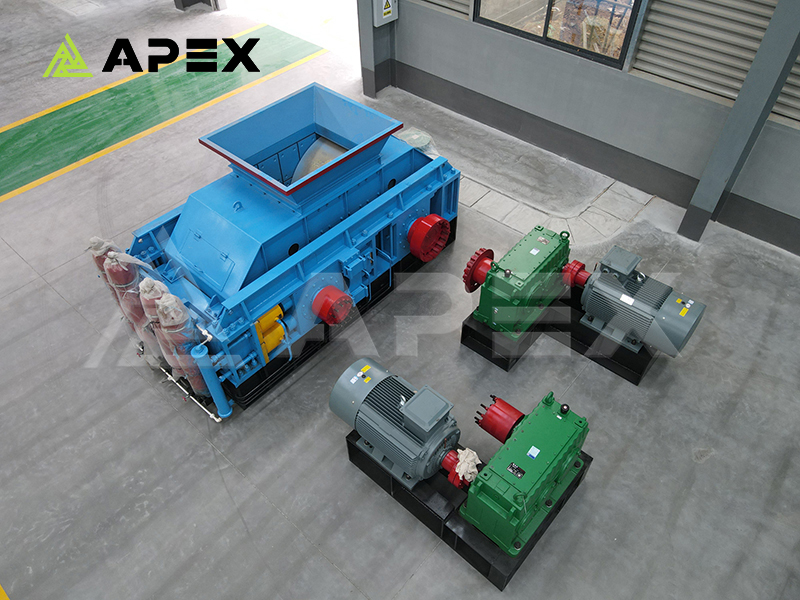
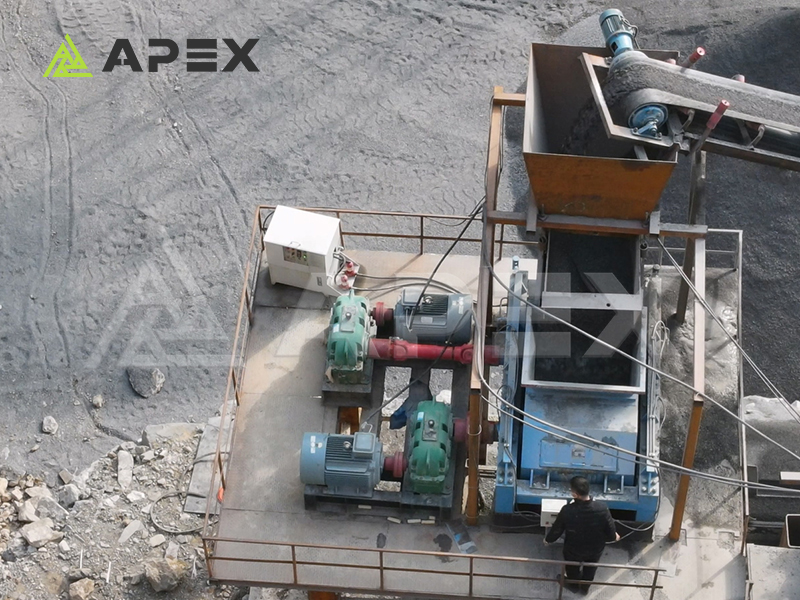
Hydraulic Double Roller Crusher
The Role of Roll Crushers in Gold Ore Processing
In a typical gold ore processing line, the crushing circuit is responsible for reducing run-of-mine ore to a size suitable for grinding and subsequent concentration. The roll crusher is primarily deployed in the secondary and tertiary crushing stages, as well as in pre-grinding preparation.
Key Functions in the Gold Processing Circuit
-
Secondary Crushing After Jaw Crusher
After primary crushing by a jaw crusher (typically reducing ore to 50–150mm), the roll crusher further reduces material to 15–30mm, preparing it for fine crushing or direct mill feed. -
Tertiary Fine Crushing Before Grinding
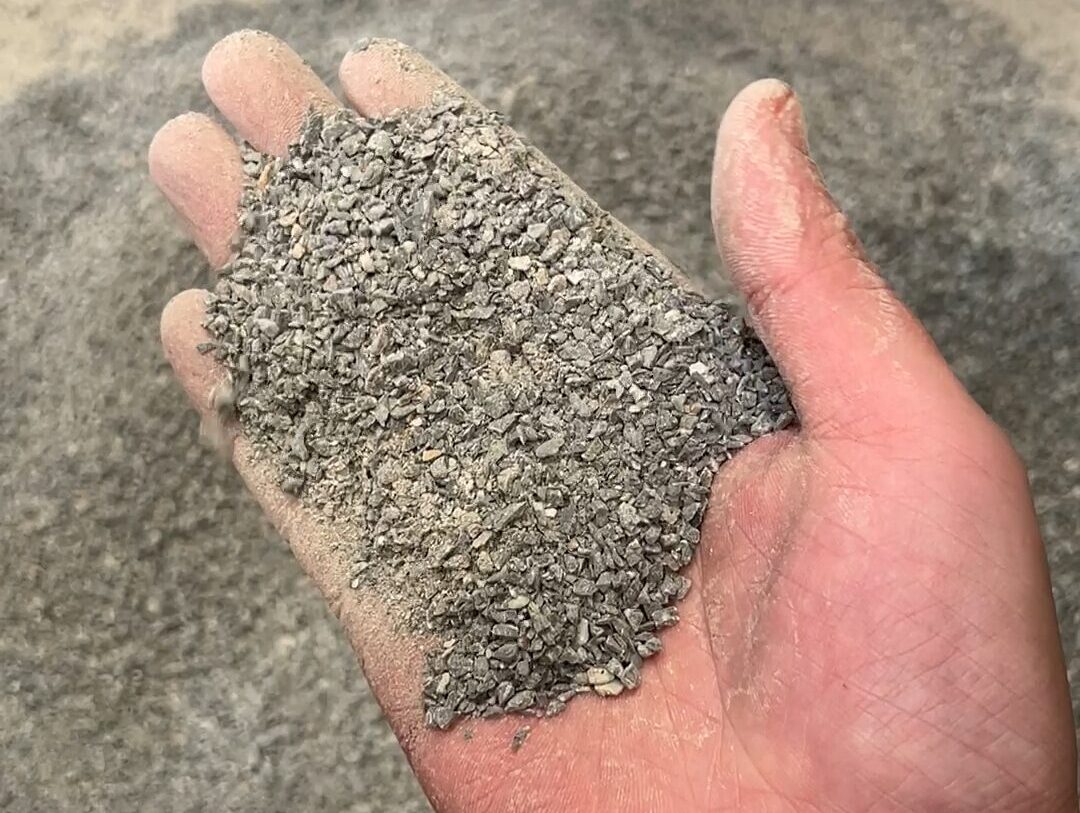
In closed circuit with vibrating screens, roll crushers deliver a controlled product size of 3–15mm, enabling the “more crushing, less grinding” strategy that significantly reduces ball mill energy consumption. -
Pre-Grinding Feed Preparation
Uniform, cubical particles from the roll crusher provide ideal ball mill feed. Consistent feed size stabilizes mill operation and improves grinding efficiency. -
Protection of Gold Particle Recovery
By minimizing over-crushing and the generation of fine slimes, roll crushers help preserve coarse gold particles and improve performance in downstream gravity separation and flotation circuits.Working Principle of the Roll Crusher
The roll crusher operates on a simple yet highly effective compression crushing principle:
Two counter-rotating cylindrical rolls are mounted horizontally in a sturdy frame.
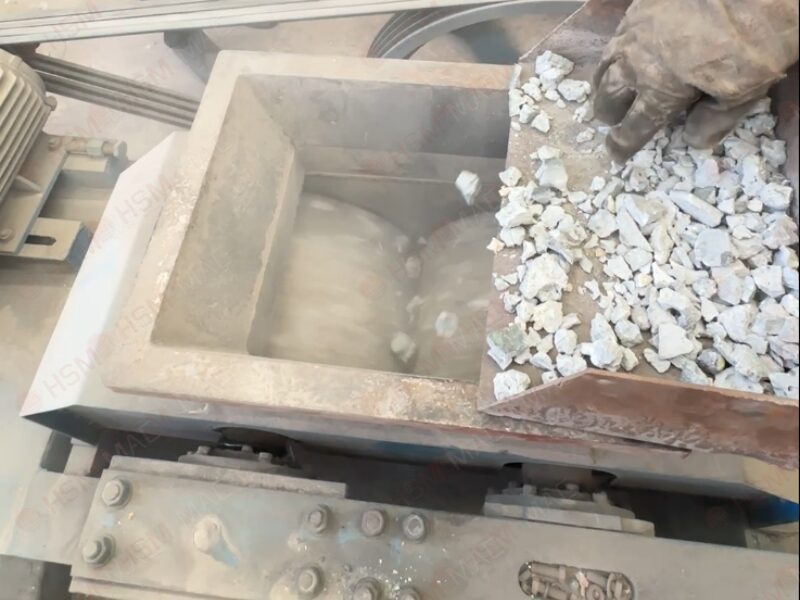
Material is fed from above into the gap between the rolls.
As the rolls rotate toward each other, friction draws the material into the narrowing space.
Intense compressive pressure builds until the material fractures.
Crushed product falls through the discharge opening below.
The final product size is determined primarily by the roll gap setting, which is hydraulically adjustable on modern machines with precision of ±1mm. An automatic hydraulic overload protection system allows the movable roll to retract when uncrushable material (such as tramp metal) enters, then instantly reset — preventing equipment damage and minimizing downtime.
This single-pass compression mechanism naturally limits the maximum particle size to the roll gap, producing a uniform product with significantly fewer fine particles than impact or hammer crushers.
Operational Advantages in Gold Production
1. Minimal Over-Crushing Protects Gold Recovery
Over-crushing generates excessive fines and slimes, which interfere with flotation and cause gold losses in gravity circuits. The roll crusher’s compression action produces 50–70% fewer fines than hammer crushers, helping maintain higher overall gold recovery rates.
2. Excellent Handling of Wet and Clay-Rich Ores
Many gold deposits — particularly oxidized and weathered ores — contain significant clay and moisture. Traditional cone crushers and hammer crushers frequently clog under such conditions. The roll crusher has no enclosed crushing chamber or grate bars, so sticky material is forced through between the rolls. Automatic scrapers keep roll surfaces clean, ensuring continuous operation even in rainy seasons.
3. Lower Energy Consumption
At similar reduction ratios, roll crushers consume 30–50% less energy than cone crushers. In gold processing plants where crushing and grinding account for over 50% of total energy use, this translates into substantial cost savings.
4. Uniform Product Size for Stable Grinding
The precisely controlled roll gap delivers a consistent product size distribution. This stability reduces fluctuations in ball mill feed, improves grinding efficiency, and lowers overall comminution costs.
5. Simple Structure and Low Maintenance
With no eccentric mechanisms or complex hydraulic circuits, roll crushers have fewer wearing parts. Roll surfaces can be re-hardfaced on-site multiple times, extending service life and minimizing downtime. Routine maintenance is limited to bearing lubrication and scraper inspection.
6. Proven Results in Gold Processing
Field data from quartz vein gold operations show that replacing conventional fine crushers with roll crushers has:
-
Increased grinding circuit throughput by 10–15%
-
Reduced energy consumption per ton of ore by 20–30%
Improved gold recovery by 2–5% through reduced sliming
Conclusion
The roll crusher plays a vital role in modern gold ore processing lines by delivering efficient medium and fine crushing with minimal over-crushing, excellent tolerance for difficult ores, and substantial energy savings. Its simple compression principle and robust design make it a reliable choice for gold producers seeking to optimize their crushing circuits and improve overall plant economics.
For gold mining operations facing challenges with hard quartz ores, clay-rich oxidized ores, or high energy costs, the roll crusher offers a proven, cost-effective solution.
About Guangzhou Apex Machinery Co., Ltd.
Guangzhou Apex Machinery Co., Ltd. is a specialized manufacturer of crushing and screening equipment for the global mining industry. Our roll crusher series has been successfully deployed in gold, nickel, copper, lithium, and industrial mineral processing projects across Asia, Africa, Australia, and the Americas. We provide complete crushing solutions — from ore testing and process design to installation, commissioning, and after-sales support.
Contact our technical team to discuss how roll crushers can optimize your gold processing circuit.
-
Hot Products
Why Does a Double Roll Crusher Suddenly Produce Coarser and Uneven Output?
Double-Roll Crusher Performance in Sand-Making: Fines Production & Finished Particle Shape Guide
Double-Roll Crusher Wear Parts & Roller Shell Service Life Guide ?

What Materials Are Suitable for a Double-Roll Crusher?