Article Summary:
This article addresses one of the most frequently asked questions in hard-rock processing: What is the optimal feed size when crushing high-hardness minerals like granite, basalt, and gold ore with double roll crushers? By examining roll nip mechanics, reduction ratios, primary crushing integration, and three golden operational rules, the piece demonstrates how APEX (APEX) matches equipment models to specific feed parameters to maximize roller longevity, throughput stability, and overall plant economics.
This article addresses one of the most frequently asked questions in hard-rock processing: What is the optimal feed size when crushing high-hardness minerals like granite, basalt, and gold ore with double roll crushers? By examining roll nip mechanics, reduction ratios, primary crushing integration, and three golden operational rules, the piece demonstrates how APEX (APEX) matches equipment models to specific feed parameters to maximize roller longevity, throughput stability, and overall plant economics.
When processing hard rocks (such as granite, basalt, and gold ores) using double roll crushers, determining the ideal feed size is one of the questions customers ask most frequently. While feed dimensions have no single rigid figure, the underlying engineering logic is exceptionally clear: smaller feed sizes ensure smoother crushing operations and reduced component wear. Hard-rock feeding must align with intake dimensions and roll diameters, reverse-engineer reduction ratios, and strictly eliminate oversized boulders and metallic tramp. APEX (APEX) matches machine models precisely to actual operating conditions and offers empirical trial testing, ensuring total clarity for plant operators.
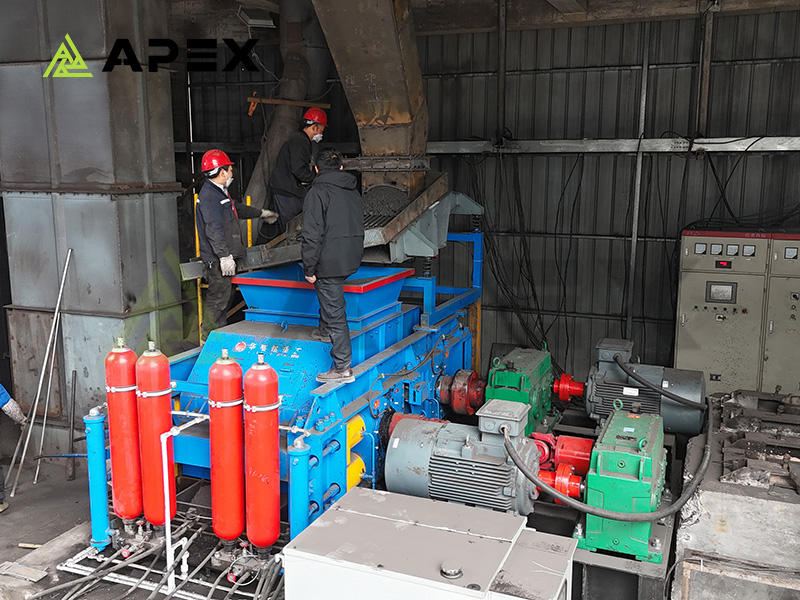
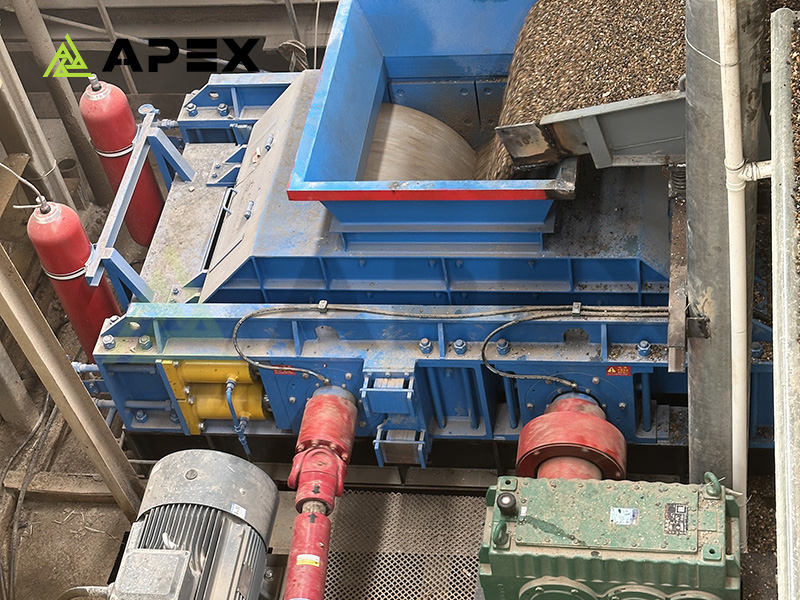
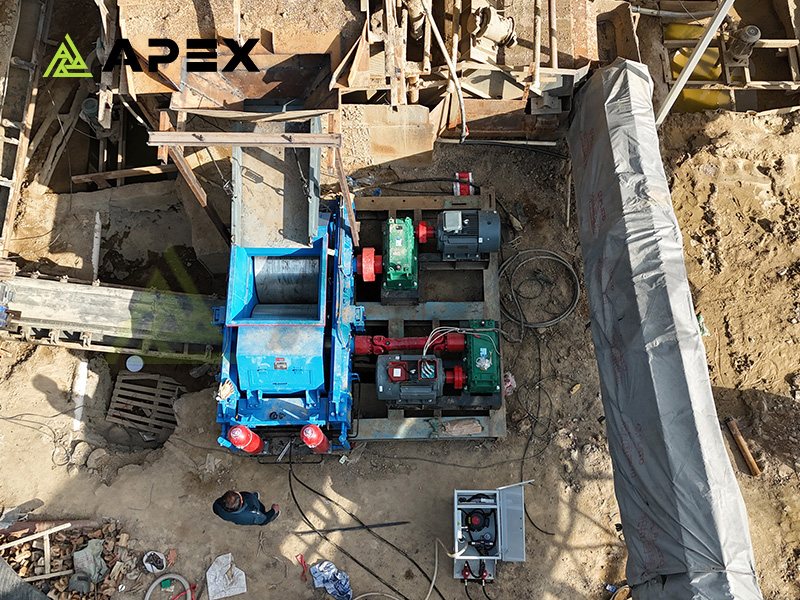
Hard Granite and Basalt Feed Sizing at APEX Double Roll Crusher Plant
1. Matching Feed Parameters to Intake Width and Roll Diameter
- Intake Width Limit: Maximum raw feed lump dimensions must never exceed the physical width of the crusher intake opening, otherwise material will bridge, choke, or fail to nip 【Custom Parameters Available】.
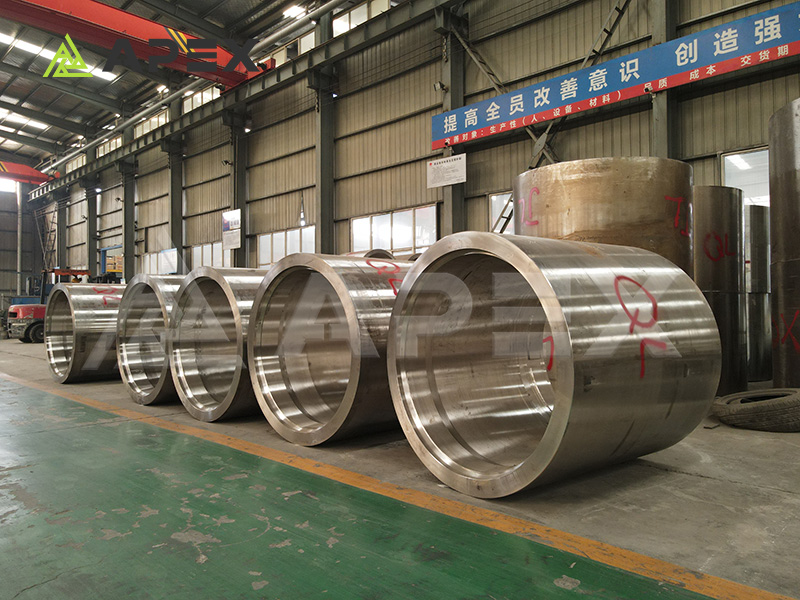
- Roll Diameter Matching: Larger roll diameters permit larger feed bite angles; small roll diameters attempting to nip oversized hard rocks will cause surface slippage, refusing to bite and accelerating shell wear 【Custom Parameters Available】.
- Model-Specific Thresholds: Allowable feed ranges vary across different machine models; equipment selection must be strictly mapped to raw feed sizing 【Custom Parameters Available】.
Proper alignment prevents material jamming, roll slippage, and mechanical strain on equipment.
2. Recommended Feeding Practices for Hard Ores
| Feeding Strategy | Process Circuit Setup | Plant Operational Advantage |
|---|---|---|
| Primary Coarse + Secondary Roll | Primary jaw or cone crusher followed by a double roll fine crusher (feed controlled within ~10 cm) 【Custom Parameters Available】. | |
| Fine-Feed Optimization | Stepping down feed size another tier (around 5 cm) 【Custom Parameters Available】. | Maximizes operational stability and minimizes surface abrasion on hard minerals. |
| Direct Large-Boulder Feeding | Feeding oversized run-of-mine hard rock directly without primary reduction. | Not economically viable; forces machinery up a size tier, driving up wear rates and power consumption. |
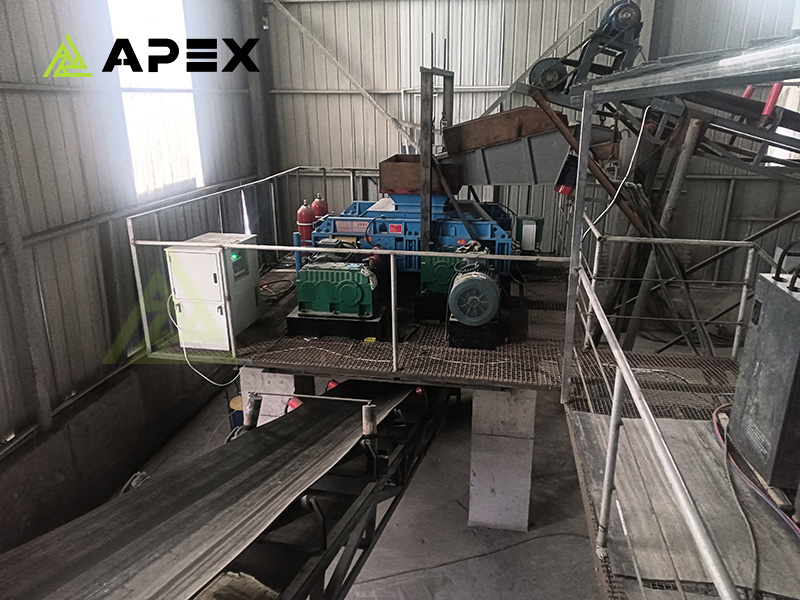
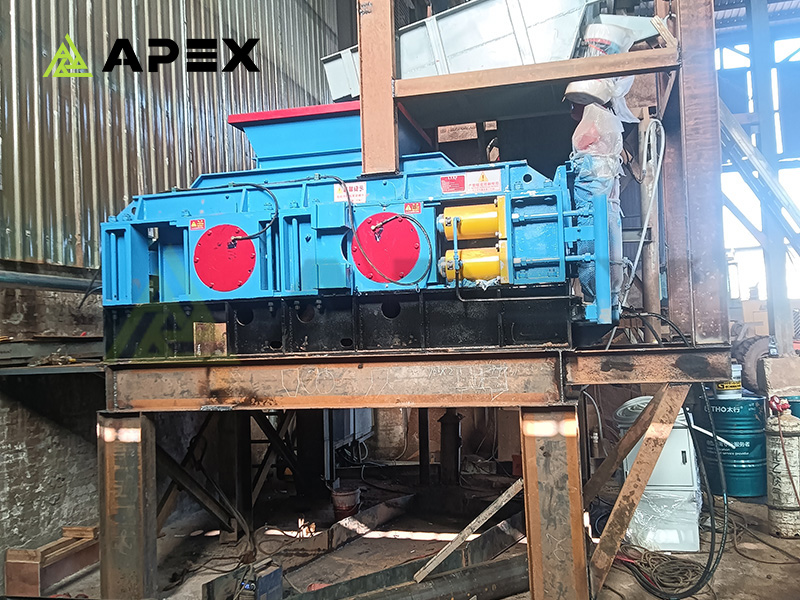
Hard Rock Double-Roll Crusher
3. Reverse-Engineering Feed Sizing via Reduction Ratios
- Standard Reduction Ratio (3–5x): To produce 0–5mm manufactured sand, ideal feed sizing should generally not exceed 2–3 cm; to produce 10–30mm crushed aggregates, feed size can be relaxed to around 10 cm 【Custom Parameters Available】.
- Proximity to Target Sizing: The closer the feed size is to the target output gradation, the smaller the reduction ratio required—resulting in lower roller wear and reduced electrical power consumption.
- Multi-Stage Step Reduction: When the gap between raw feed dimensions and target output sizing is excessively large, implementing multi-stage crushing ensures superior plant stability 【Custom Parameters Available】.
4. Three Golden Rules for Hard-Rock Feeding
• Rule 1: Never Feed Oversized Boulders
If raw blocks exceed equipment capacity tolerances, route them through primary reduction rather than forcing them into the rolls.
• Rule 2: Strictly Exclude Metallic Tramp
Tramp iron and uncrushable metallic debris gouge roller surfaces; always install magnetic separators upstream of the crusher.
• Rule 3: Maintain Uniform Volumetric Feeding
Feed material continuously and evenly across the entire roll width, avoiding intermittent surges to minimize mechanical shock loads 【Custom Parameters Available】.
Crushing Hard Rock? Partner with APEX Heavy Industry:
For hard-rock applications, keeping feed sizes under 10 cm ensures reliable medium-fine reduction with optimal operating economy; specific maximum limits are governed by roll intake geometry and machine sizing. Provide your raw feed dimensions and target output specifications to let APEX match the ideal equipment model and recommended feed envelope 【Custom Parameters Available】.
Contact APEX Heavy Industry today to review feed parameters, machine matching, or schedule a free raw material sample trial test.
Hot Products
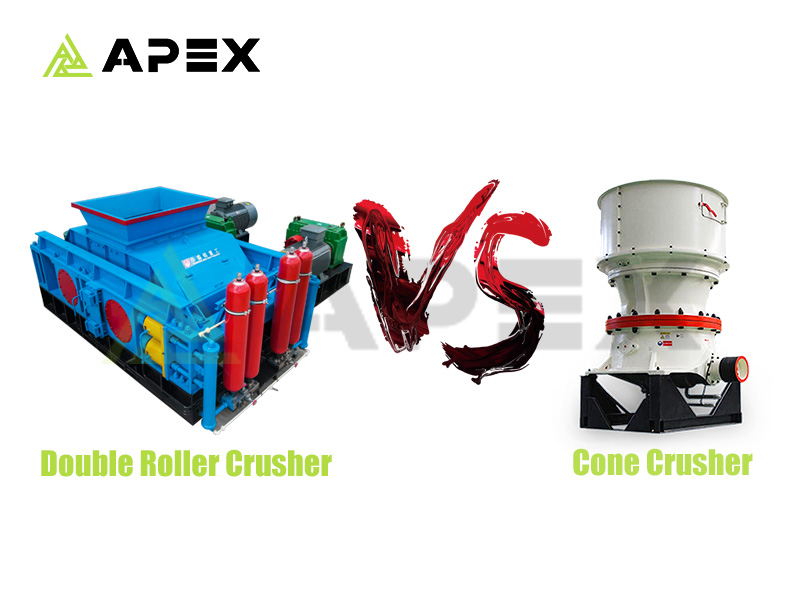
Double Roll Crushers vs. Cone Crushers: How to Choose the Right Fine Crushing Equipment for Your Plant
Does Decreasing the Roll Gap of a Double Roll Crusher Reduce Throughput? Performance Analysis & Solutions
How Long Do Double Roll Crusher Roller Shells Last? Understanding the 3 Wear Stages & Maintenance Timing
Double Roll Crusher Selection Guide: Sizing Machinery Based on Raw Feed Parameters