Key Selection Takeaways & Engineering Rules:
- Feed Size is the Primary Threshold: Maximum feed dimension dictates physical roll diameter. If raw ore exceeds the nip boundary, crushing efficiency drops to zero.
- Pre-Treatment Prevents System Stoppage: Oversized raw rocks require primary jaw crushing or prescreening grizzlies to maintain feed uniformity.
- Material Characteristics Dictate Shell Metallurgy: High-hardness ores require wear-resistant alloy sleeves and hydraulic tramp relief, while sticky/moist feeds require anti-clogging configurations.
- 5-Factor Complete Matching: Final machine model selection balances Maximum Feed Size, Target Output Size, Required Hourly Capacity (TPH), Material Hardness/Moisture, and Footprint.
Selecting the correct double roll crusher begins with a precise evaluation of the raw material feed. Before selecting motor power or output discharge gaps, plant engineers must measure maximum lump sizes, determine necessary pre-treatment steps, and configure roller surfaces based on rock hardness and moisture. Matching feed parameters ensures stable throughput, protects wear parts, and prevents costly plant downtime. Manufactured by Apex Heavy Industry (Apex), roll crushers can be tailored to exact site feed specs backed by empirical sample testing.
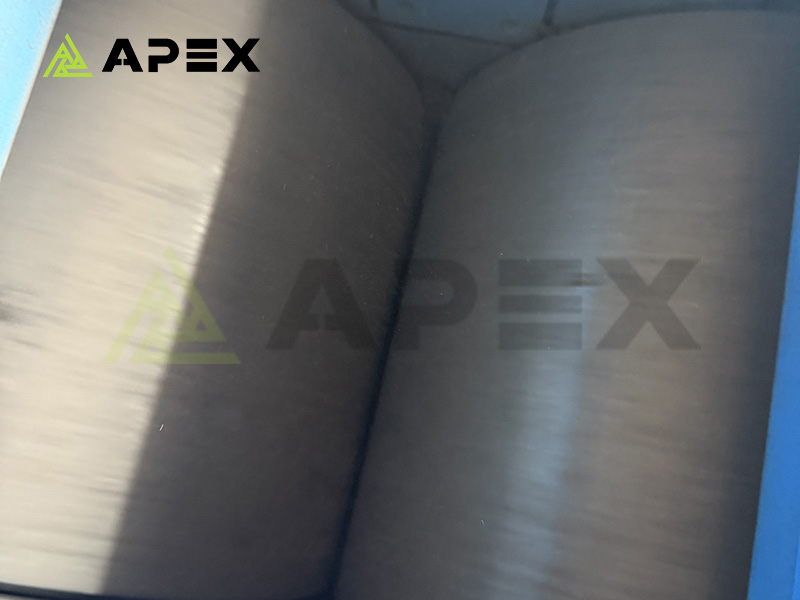
Angle Between the Rolls of a Double-Roll Crusher
1. The 4-Step Feed-Driven Selection Framework
- Step 1: Measure Maximum Raw Lump Size: Measure the largest rock blocks in the raw ore supply. The absolute maximum lump size ($D_{max}$)—not the average size—is the non-negotiable metric that dictates minimum allowable roll diameter. Multiple random samples should be taken to account for feed variations.
- Step 2: Determine Pre-Treatment Requirements:
- Within Feed Limit: Direct feeding without primary crushing, simplifying plant layout and lowering CAPEX.
- Oversized Feed: Install a primary Jaw Crusher upstream or position a scalping grizzly screen to divert oversized boulders.
- Highly Fluctuating Feed: Use dynamic screeners to ensure feed uniformity and prevent bridging.
- Step 3: Configure Machinery by Material Characteristics:
- High Hardness (Granite, Basalt, Gold Ore): Heavy-duty alloy roller shells with hydraulic overload relief.
- High Moisture / Sticky Material: Anti-clogging scraping mechanisms and regulated feeder controls.
- Brittle Minerals (Limestone, Coal, Glass, Wollastonite): Smooth inter-particle compression for ideal particle cubicity and low fine dust.
- Step 4: Finalize Model Size by Target TPH & Product Gap: Combine feed metrics with target output size (CSS) and required hourly capacity (TPH) to lock in the specific roll diameter and width.
2. Material Characteristic & Configuration Matching Matrix
| Material Category | Representative Ores | Recommended Roll Surface | Key Protective Features |
|---|---|---|---|
| Hard / Abrasive Rock | Granite, Basalt, River Pebble, Iron Ore | High-Chromium / Manganese Alloy Shells | Hydraulic Auto-Tramp Relief Cylinders |
| Soft / Medium-Hard Brittle | Limestone, Wollastonite, Feldspar, Calcite | Smooth Precision Machined Roll Sleeves | Micro-Gap Hydraulic Clearance Adjustment |
| Sticky / High-Moisture Feed | Wet Clay-Bearing Ores, Bauxite, Coal | Toothed / Studded (Hobbed) Rollers | Internal Scraper Plates & Controlled Feeders |
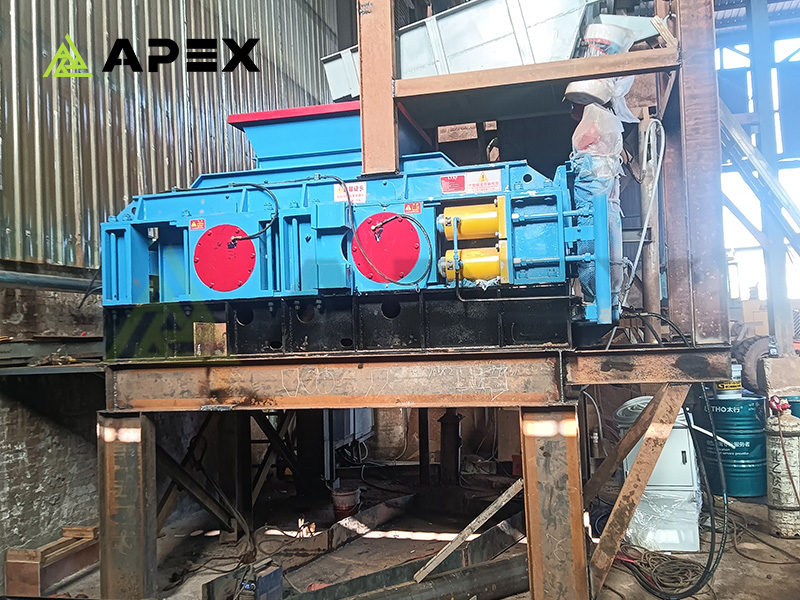
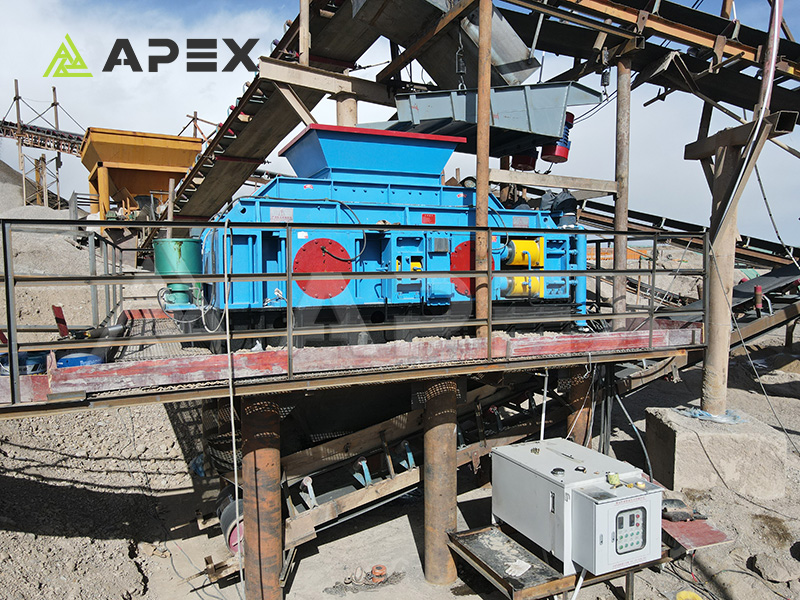
Apex Double-Roll Crusher
3. Ironclad Rules of Roll Crusher Selection
- Rule 1: Maximum Feed Size is the First Barrier: If raw lumps exceed the gripping nip angle of the rollers, material will skid on top of the roll cavity, causing zero throughput and excessive surface wear.
- Rule 2: Material Traits Dictate Configuration: Never use standard smooth rollers for sticky or clay-rich feeds without proper scraping or tooth geometry.
- Rule 3: Validate via Material Trial Runs: When in doubt, perform a live trial run with actual raw sample material to verify intake capacity, crushing ratio, and power consumption before finalizing purchase contracts.
Tailored Machine Matching & Sample Material Testing:
Provide your 5 core project parameters—Maximum Feed Size, Target Output Size, Hourly TPH, Material Type, and Site Footprint—to Apex Heavy Industry engineers 【Custom Parameters Available】.
Contact Apex today to arrange a free raw sample material trial test or check in-stock inventory for urgent project timelines.
Hot Products
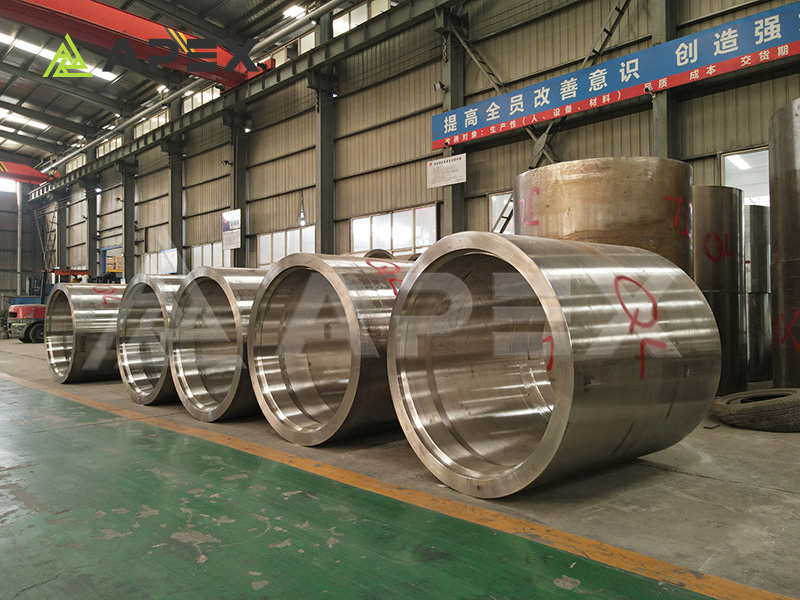
Double Roll Crusher Selection Guide: Sizing Machinery Based on Raw Feed Parameters
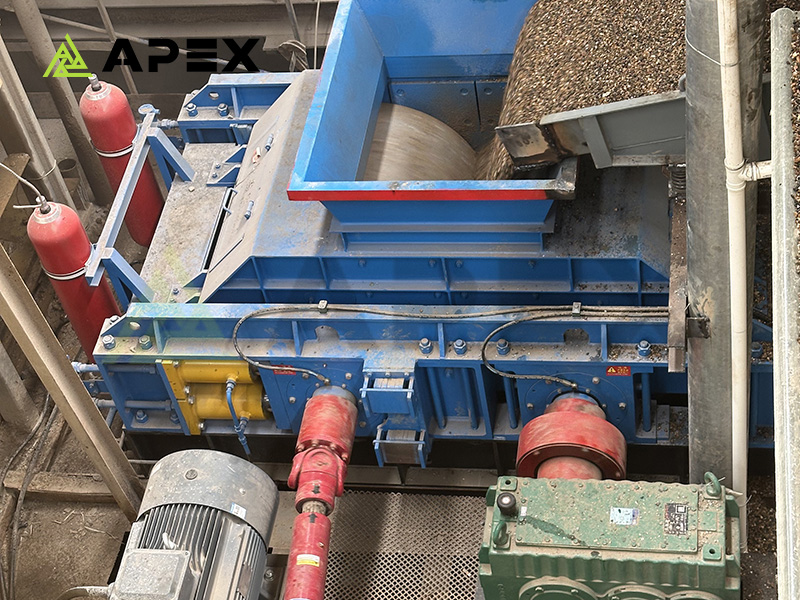
Can a Double Roll Crusher Grip Smooth River Pebbles? Physics & Performance Analysis
Where a Double Roll Crusher Fits in a Crushing Circuit
Troubleshooting Excessive Fines and Over-Crushing in Double Roller Crushers & Control Strategies
