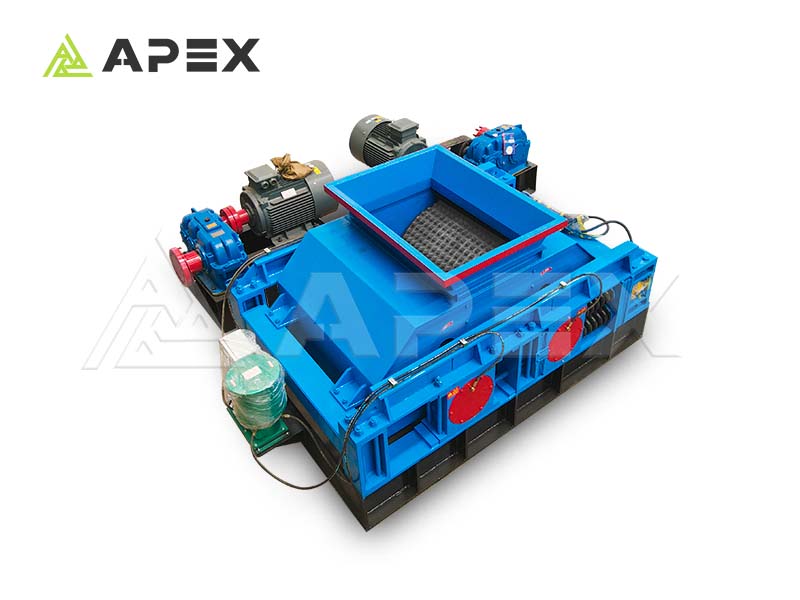
Direct Answer: A sudden increase in coarse or uneven particle sizing is typically caused by abnormal roller gap spacing, uneven roller shell wear, transmission instability, or improper material feeding.
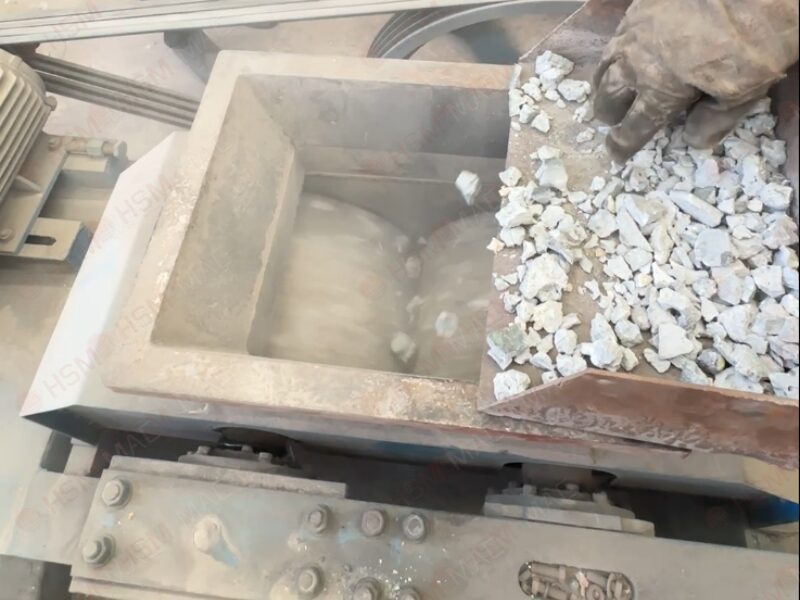
Roll Covers for Double-Roll Crushers
Diagram showing roller shell groove wear and gap enlargement causing uncrushed coarse material to escape.
🔍 Root Causes of Coarse & Uneven Output
| Cause Category | Operational Mechanism |
|---|---|
| Uneven Roller Wear | Local grooving on roller shells creates inconsistent gaps across the crushing surface, allowing oversized material to pass through. |
| Altered Roller Gap | Loose/fatigued springs or unstable hydraulic pressure widen the gap. Foreign metal tramp objects can also push rollers apart. |
| Material Buildup | Wet or muddy raw materials stick to roller shells, forming a caked layer that increases the effective crushing clearance. |
| Unstable Feeding | Fluctuating feed rates or sudden large rock chunks create an uneven material bed thickness and inconsistent crushing forces. |
| Transmission Failure | Worn bearings or slipping couplings lead to unsynchronized rotational speeds between the two rollers. |
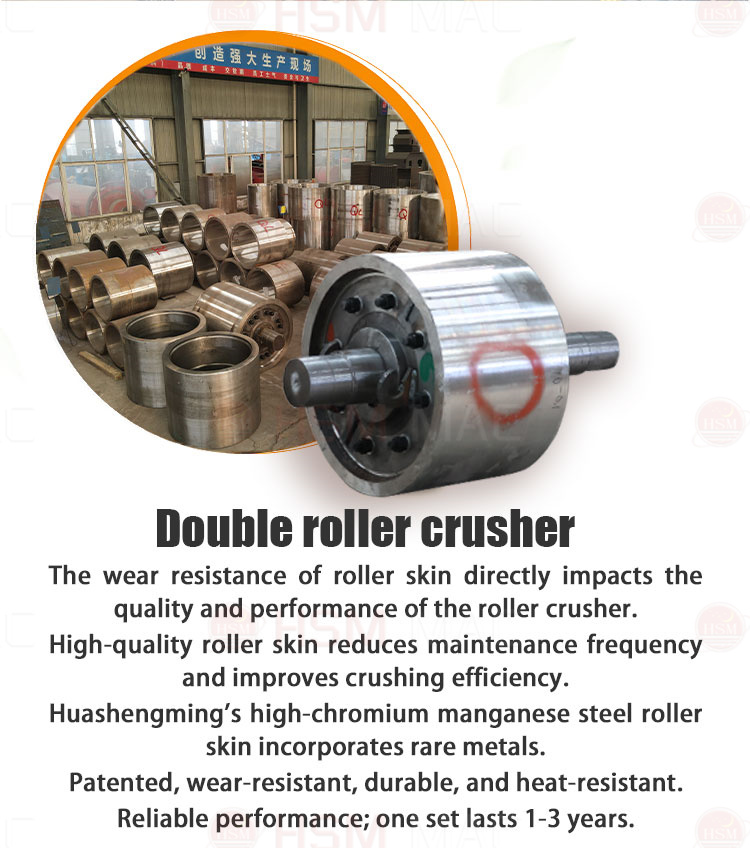
Apex Heavy Industries: The Advantages of Roller Liners
🛠️ Step-by-Step Troubleshooting Checklist
- Inspect Wear & Gap Calibration: Stop the machine to inspect roller shell surfaces for local grooving and recalibrate the gap clearance.
- Clean Sticky Deposits: Scrape off sticky, wet buildup from roller shells to restore true surface contact.
- Verify Tension & Pressure: Check spring tension on mechanical models or hydraulic system pressure on hydraulic units to ensure stable gap retention.
- Regulate Material Feed: Maintain consistent, evenly distributed feeder rates and replace severely worn roller shells in a timely manner.
Summary: Regular gap calibration, prompt roller shell replacement, stable hydraulic pressure, and controlled feeding ensure consistent discharge gradation and prevent unplanned downtime.
Hot Products
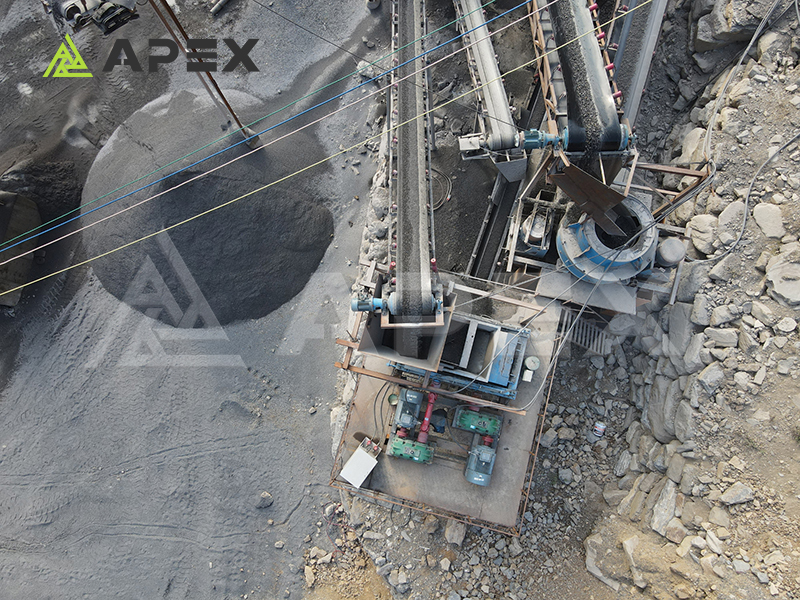
Why Does a Double Roll Crusher Suddenly Produce Coarser and Uneven Output?
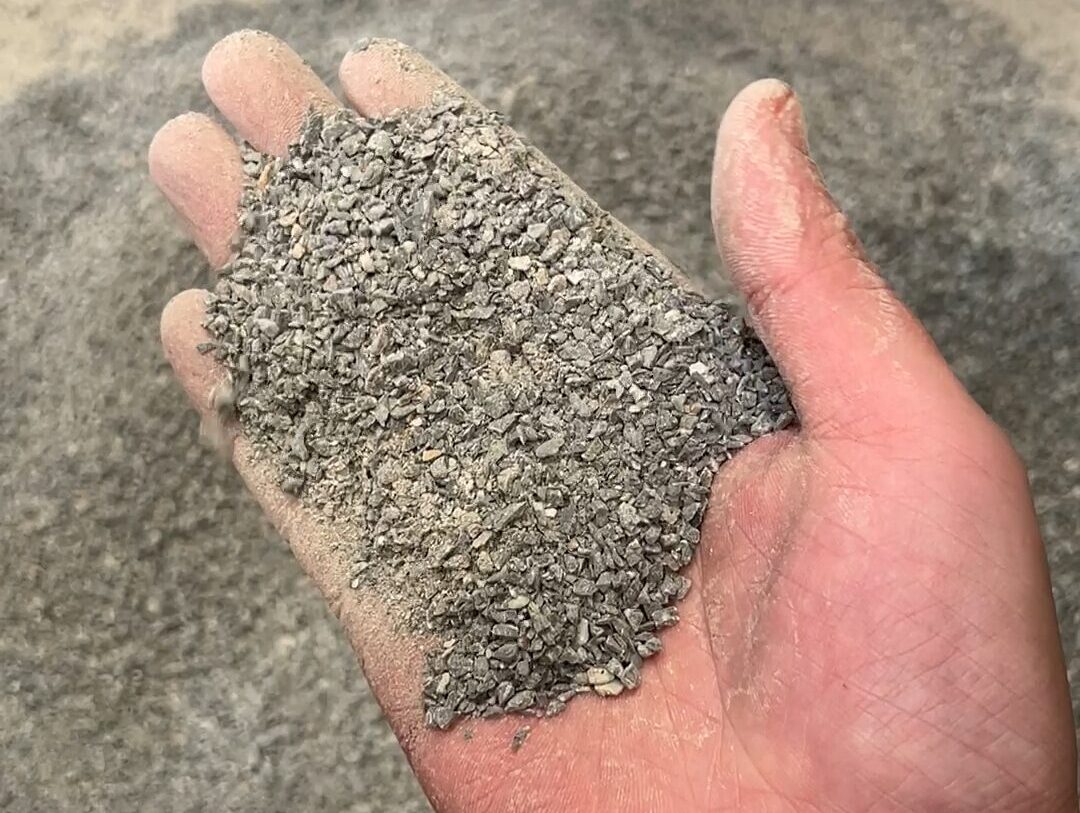
Double-Roll Crusher Performance in Sand-Making: Fines Production & Finished Particle Shape Guide
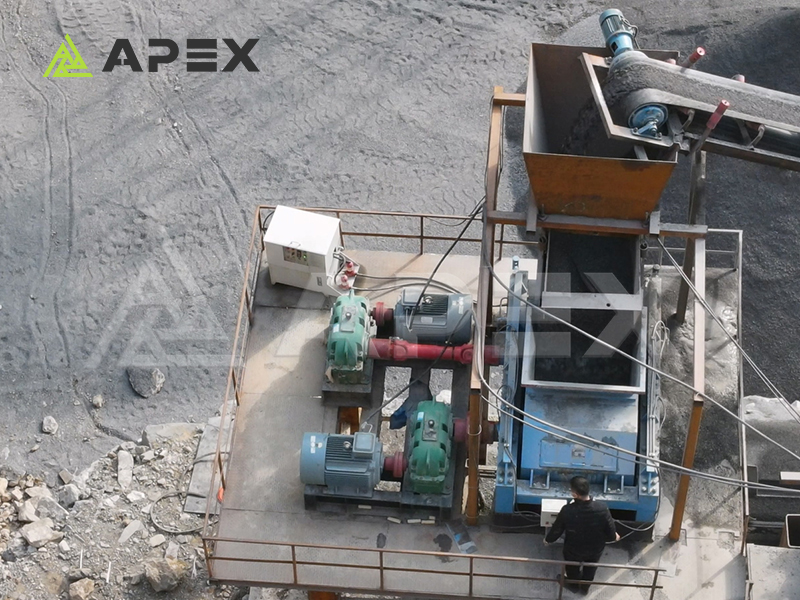
Double-Roll Crusher Wear Parts & Roller Shell Service Life Guide ?

What Materials Are Suitable for a Double-Roll Crusher?