Article Summary:
Double roll crushers operate as versatile medium-to-fine comminution machines where discharge sizing is regulated directly by adjusting the inter-roll clearance gap. While capable of achieving millimeter-level fine reduction, determining the exact minimum fineness requires evaluating machine specifications, roll surface geometry, ore hardness, and closed-circuit screening loops. This article details how roll gaps are adjusted, explains the three operational conditions governing fine output, outlines optimization strategies, and provides the essential parameters needed for Apex (Apex) to engineer your custom solution.
Double roll crushers operate as versatile medium-to-fine comminution machines where discharge sizing is regulated directly by adjusting the inter-roll clearance gap. While capable of achieving millimeter-level fine reduction, determining the exact minimum fineness requires evaluating machine specifications, roll surface geometry, ore hardness, and closed-circuit screening loops. This article details how roll gaps are adjusted, explains the three operational conditions governing fine output, outlines optimization strategies, and provides the essential parameters needed for Apex (Apex) to engineer your custom solution.
Short Answer:
Double roll crushers are classified as medium-to-fine reduction equipment. Output particle size is controlled by adjusting the inter-roll gap clearance, successfully achieving millimeter-level fine comminution. However, asking “how fine can it go?” does not yield a single universal number; performance depends strictly on equipment model specifications, roll surface configurations, material hardness, and whether an upstream closed-circuit screening loop is utilized. Apex (Apex) matches exact roll gaps and machinery tiers to your target product specs so you never have to guess.
Achieving precise discharge control requires understanding the mechanical principles of roll adjustment and the operational variables governing fineness.
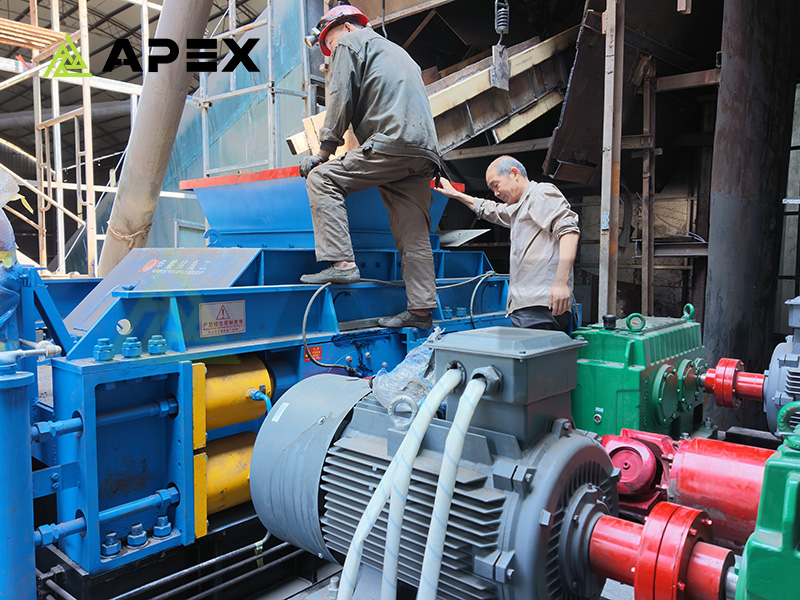
Apex Double Roll Crusher Inter-Roll Gap Adjustment Mechanism
1. How Discharge Fineness Is Regulated
- Primary Regulation via Roll Gap: The clearance between counter-rotating rollers (commonly called the “nip gap”) establishes the upper limit of output sizing. Narrower gaps produce finer finished products. Adjustments are executed via mechanical shims or hydraulic actuators without requiring teardown or part replacements.
- Roll Surface Geometry: Smooth roll shells favor fine reduction and surface shaping, whereas toothed or grooved rolls excel at coarse-to-medium reduction and aggressive material biting. Interchangeable roll surfaces allow the same base machine to adapt across different processing stages 【Custom Parameters Available】.
- Rotational Speed & Feeding Uniformity: Erratic, surging feed rates destabilize compression cycles inside the nip, causing oversized particles to slip through. Gradation “running coarse” is frequently caused by inconsistent volumetric feeding rather than mechanical limitations.
2. Three Conditions Governing Minimum Fineness
| Governing Condition | Technical Description | Impact on Plant Operation |
|---|---|---|
| 1. Target Screening Specs | The final mesh size required by your product standards (e.g., 3mm or 5mm). | Serves as the precise starting baseline for equipment selection, not an arbitrary target. |
| 2. Hourly Capacity Requirements | Volumetric throughput achievable at extreme fine-setting gaps 【Custom Parameters Available】. | Tightening roll gaps reduces single-pass throughput; maintaining tonnage requires larger machine models or parallel units. |
| 3. Raw Material Properties | Ore compressive hardness, moisture levels, and clay content. | High hardness or excessive moisture increases fine reduction difficulty, necessitating upstream washing or pre-conditioning. |
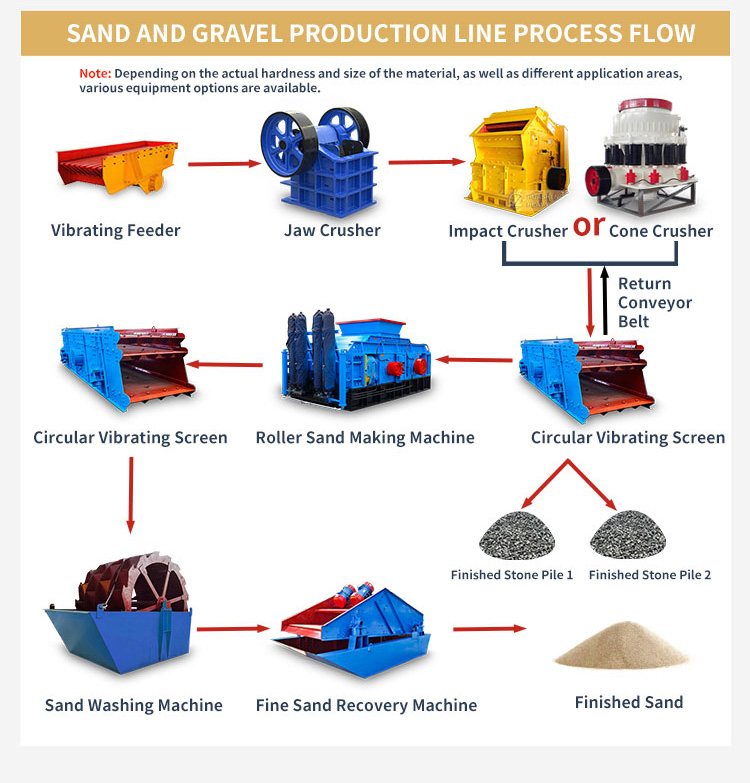
Closed-Circuit Screening Loop & Fine Comminution Layout
3. Recommended Engineering Strategies for Finer Sizing
- Closed-Circuit Screening: Route crushed material across vibrating screens, returning oversized particles back to the crusher for re-crushing. This represents the most reliable method for controlling maximum particle size without over-grinding.
- Multi-Stage Coarse & Fine Separation: Route raw boulders through primary jaw crushers before feeding secondary roll crushers, allowing roll gaps to be set tightly and wearing shell surfaces evenly 【Custom Parameters Available】.
- Parallel Unit Deployment: For high-tonnage fine reduction plants, deploying multiple double roll units in parallel ensures both strict fineness control and high cumulative throughput, while allowing scheduled maintenance rotation.
4. Four Essential Parameters for Accurate Sizing
To determine the optimal fine-reduction model and roll gap configuration for your site, please provide:
- Material Name & Hardness: (e.g., limestone, river pebbles, coal, glass, calcite, granite)
- Maximum Feed Lump Dimensions: (ROM feed top-size)
- Target Finished Gradation & Screening Mesh Specs: (e.g., 0–3mm, 0–5mm)
- Expected Hourly Capacity: (Tons per hour)
Providing these four metrics allows Apex to specify exact equipment models, roll diameters and widths, motor power ratings, and gap recommendations, complete with professional quotation proposals. Achievable fineness ranges vary by model and material properties; specific performance guarantees are governed by customized project engineering agreements.
Need to Confirm Your Fine-Crushing Circuit Strategy?
Contact Apex Heavy Industry today for expert engineering support 【Custom Parameters Available】.
Factory-direct inventory with global shipping support for domestic, Southeast Asian, and African projects. Request professional configuration proposals and on-site operational videos today!
Hot Products
What Is the Ideal Feed Size for Crushing Hard Rock with Double Roll Crushers?
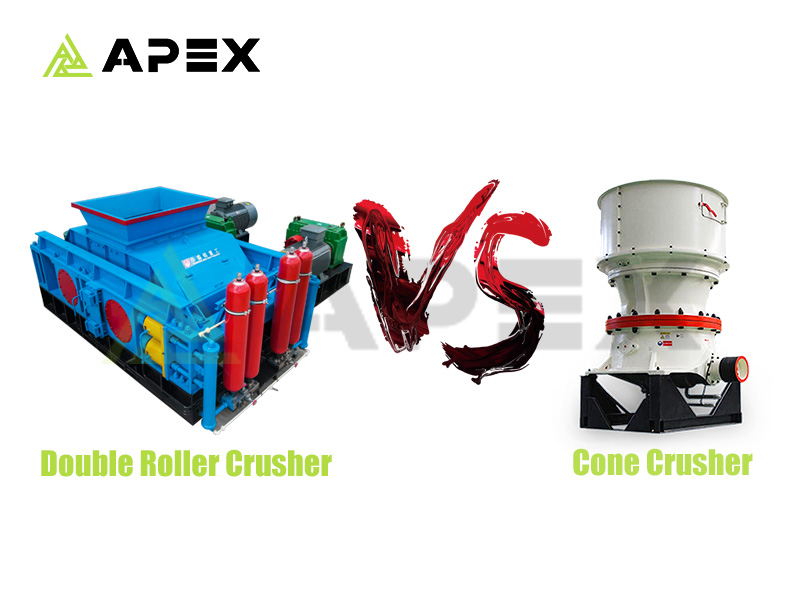
Double Roll Crushers vs. Cone Crushers: How to Choose the Right Fine Crushing Equipment for Your Plant
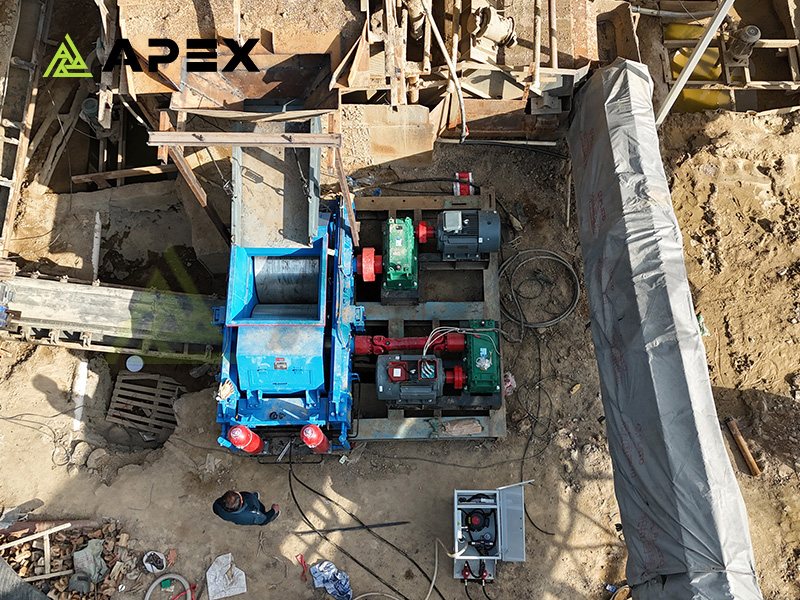
Does Decreasing the Roll Gap of a Double Roll Crusher Reduce Throughput? Performance Analysis & Solutions
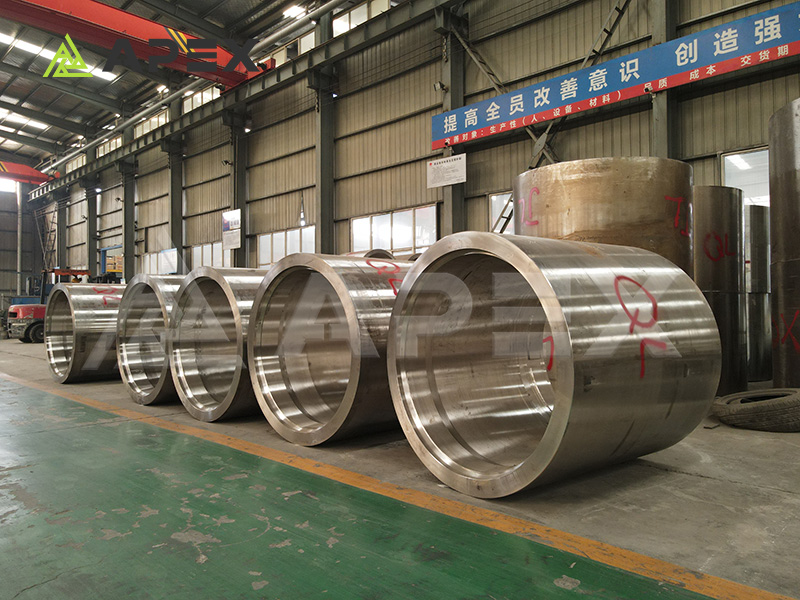
How Long Do Double Roll Crusher Roller Shells Last? Understanding the 3 Wear Stages & Maintenance Timing