Article Summary:
This article examines the direct relationship between tighter roll gap clearances and reduced hourly throughput in double roll crushers. By explaining the physical principles behind finer comminution energy demands, restricted volumetric passage, and material residence time, the piece outlines key factors influencing production drops, balancing strategies between fine particle sizing and tonnage output, and closed-circuit screening solutions to help aggregate plants optimize equipment selection and operational planning.
This article examines the direct relationship between tighter roll gap clearances and reduced hourly throughput in double roll crushers. By explaining the physical principles behind finer comminution energy demands, restricted volumetric passage, and material residence time, the piece outlines key factors influencing production drops, balancing strategies between fine particle sizing and tonnage output, and closed-circuit screening solutions to help aggregate plants optimize equipment selection and operational planning.
Does reducing the roll gap of a double roll crusher decrease production throughput? The direct answer is: Yes, and it is a physical law of crushing machinery rather than a mere possibility. The narrower the roll gap and the finer the required output gradation, the more energy and time are required to fracture material, naturally reducing the volumetric passage per unit of time. Finer discharge inevitably means lower hourly tonnage (TPH). Huashengming (HSM) recommends calculating production requirements based on your finest target specification during equipment selection to prevent capacity bottlenecks.
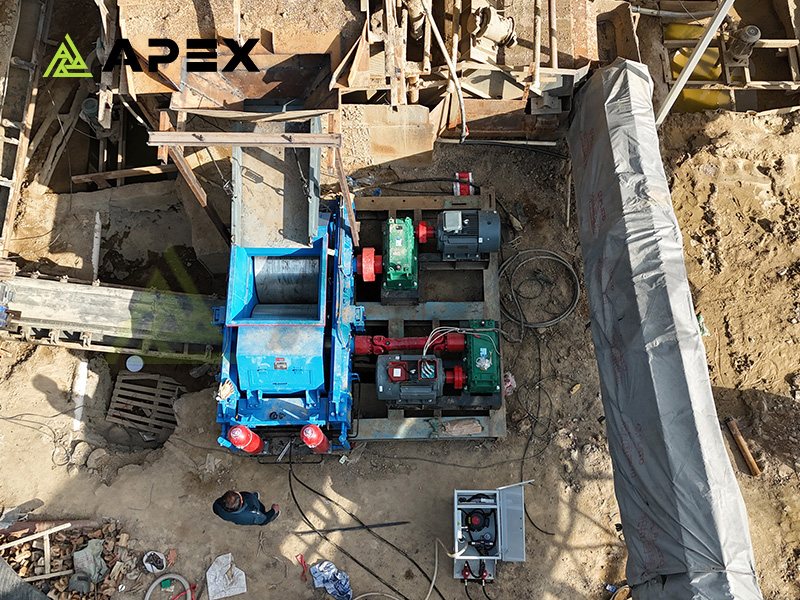
Narrow Roll Gap Setting & Fine Manufactured Sand Output
1. Why Decreasing the Gap Reduces Tonnage
• Increased Energy Demands for Finer Sizing
Finer particle sizes require more mechanical work per unit of mass, raising specific energy consumption and slowing down the compression cycle.
• Restricted Volumetric Passage
A narrower roll gap acts as a tighter discharge gate, restricting the volume of rock able to pass through the crushing zone per minute.
• Extended Material Residence Time
Fine particles linger longer within the high-pressure compression zone to ensure adequate reduction, slowing overall material flow.
2. Factors Governing the Magnitude of Capacity Reduction
| Influencing Factor | Operational Impact Mechanism | Engineering Management Rule |
|---|---|---|
| Target Particle Sizing | Finer targets cause steeper drop-offs (e.g., coarse aggregate vs. fine 0–3mm sand). | Always size machinery based on your finest required product grade. |
| Raw Material Hardness | Harder minerals require higher compression force, reducing hourly throughput 【Custom Parameters Available】. | Factor mineral hardness indexes into pre-purchase production estimates. |
| Feed Uniformity | Surge feeding or oversized lumps cause choke points and capacity losses. | Use regulated vibrating feeders to maintain continuous, even choke-feed. |
3. How to Balance Product Sizing and Plant Capacity
- Incorporate Safety Margins During Selection: When fine manufactured sand is your primary product, calculate required hourly tonnage based on fine-spec yield rather than coarse aggregate benchmarks.
- Implement Multi-Machine Division of Labor: For high-volume plants requiring strict fine sand output, deploy multiple units in parallel to handle primary reduction and fine finishing separately.
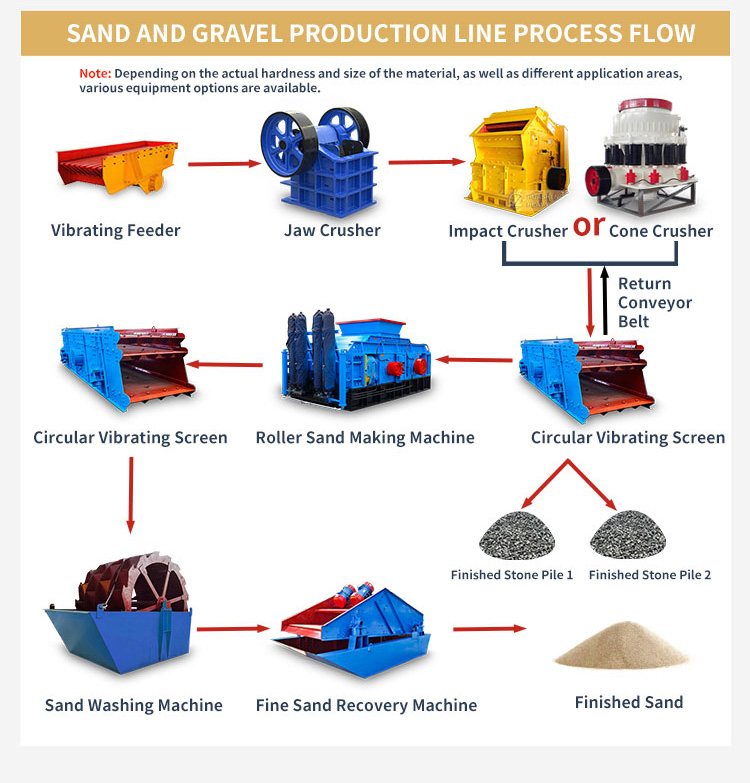
- Utilize Closed-Circuit Screening: Pair the double roll crusher with a high-efficiency vibrating screen. Routing oversized material back in a closed loop boosts overall yield stability and optimizes particle grading 【Custom Parameters Available】.
4. Solutions When Fine-Gap Output Falls Short
- Upgrade to a Larger Model: Transitioning to a higher-capacity double roll crusher model directly expands processing limits.
- Configure Parallel Units: Combine multiple crushers to meet high-tonnage fine sand demands flexibly without sacrificing product quality.
- Recalculate Process Requirements: Re-evaluate your plant design based on verified fine-spec tonnage demands to solve capacity constraints from the source.
Need Accurate Capacity Calculations for Your Fine Crushing Project?
Contact Huashengming Heavy Industry engineers to analyze your target output gradation and raw feed metrics, ensuring optimal model selection 【Custom Parameters Available】.
Schedule a free raw material sample trial run today.
Hot Products
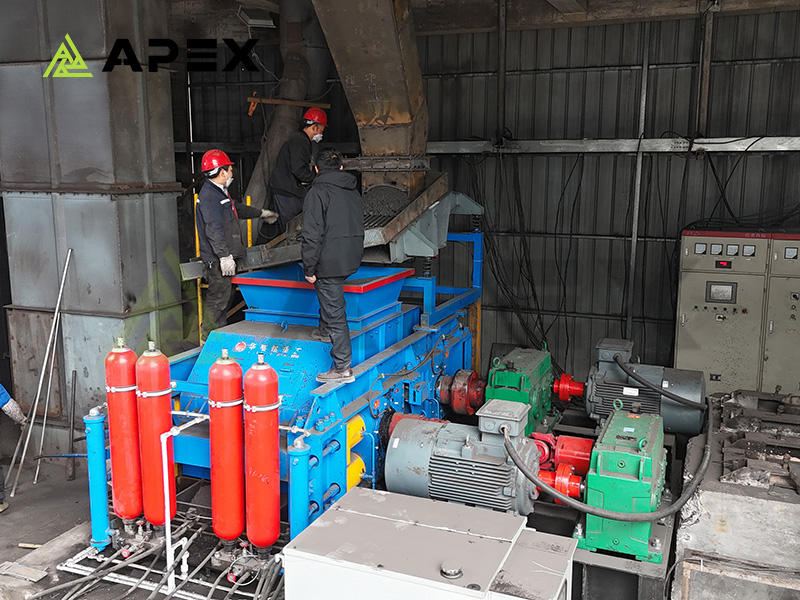
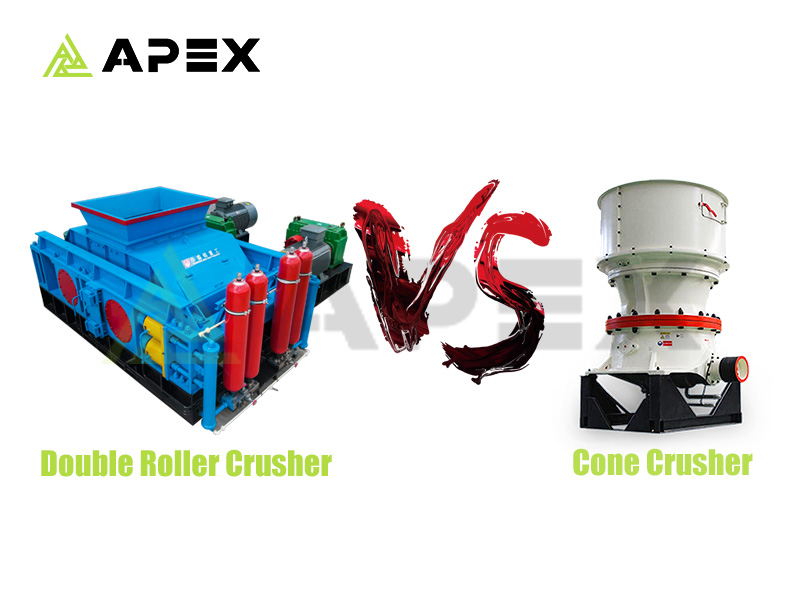
Double Roll Crushers vs. Cone Crushers: How to Choose the Right Fine Crushing Equipment for Your Plant
Does Decreasing the Roll Gap of a Double Roll Crusher Reduce Throughput? Performance Analysis & Solutions
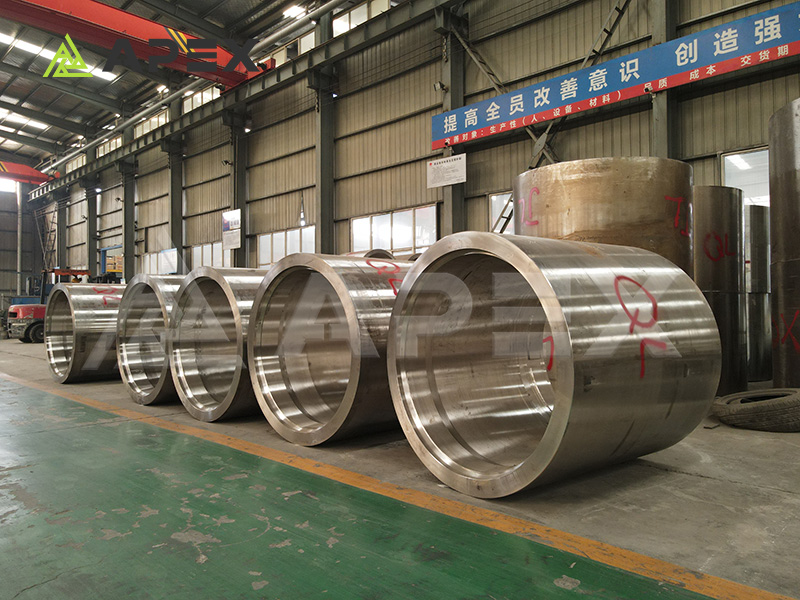
How Long Do Double Roll Crusher Roller Shells Last? Understanding the 3 Wear Stages & Maintenance Timing
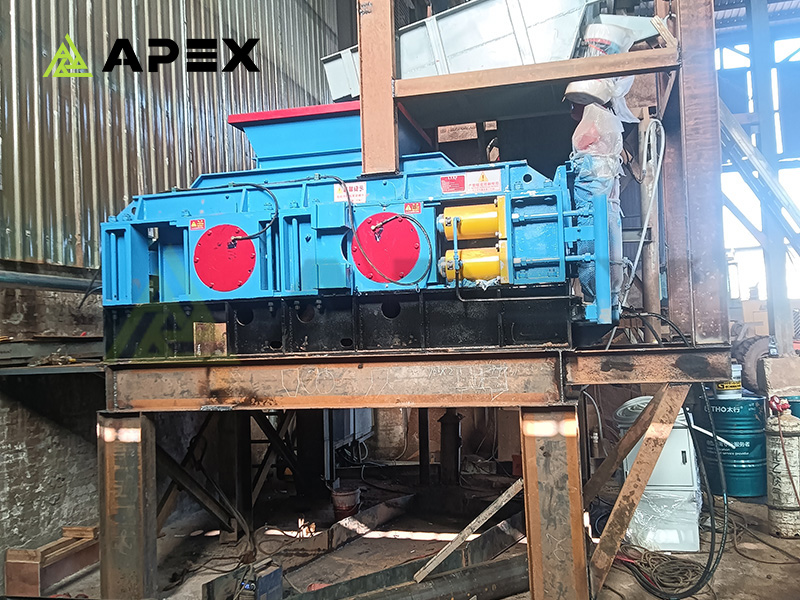
Double Roll Crusher Selection Guide: Sizing Machinery Based on Raw Feed Parameters